
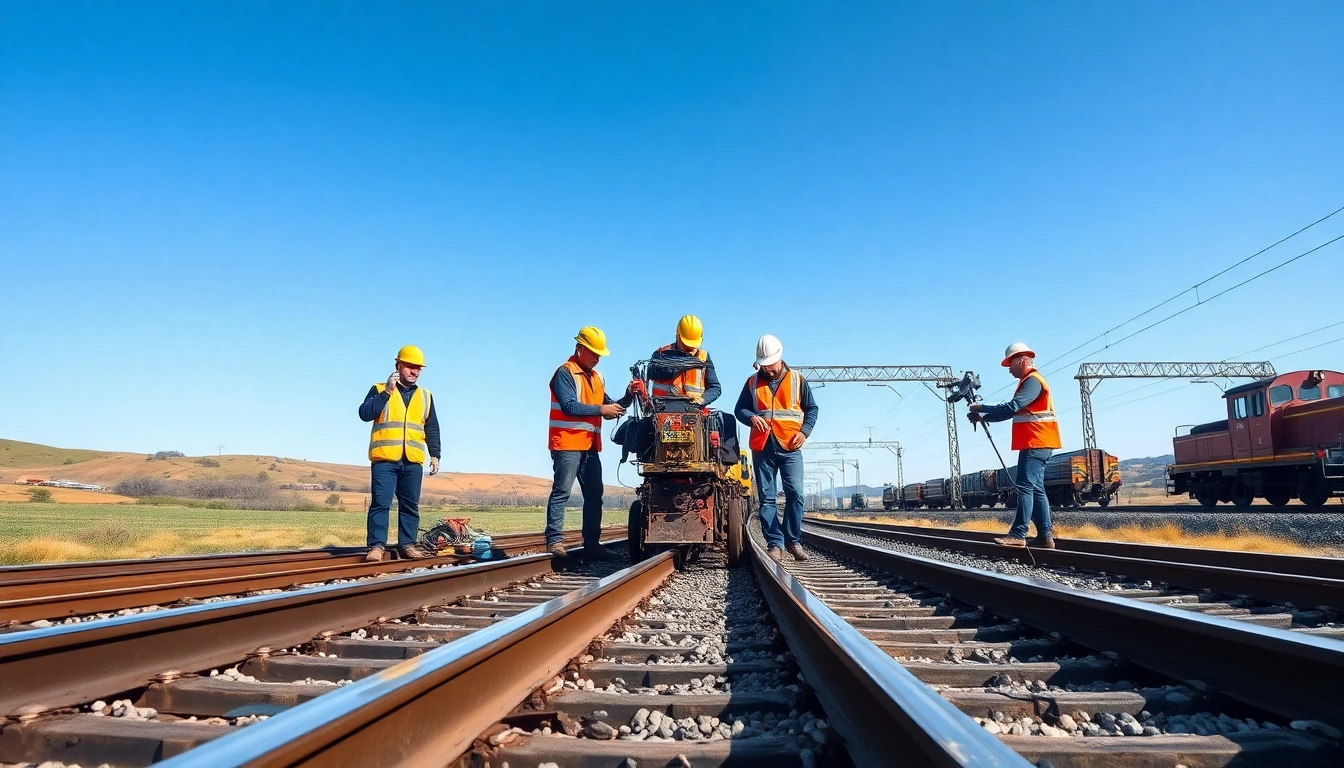
Understanding the Importance of Railroad Maintenance
Railroad maintenance is essential for ensuring the safety and reliability of rail transport systems. This facet encompasses various activities, including inspections, repairs, and upgrades aimed at keeping the railroad infrastructure operational. A robust approach to Railroad Maintenance not only increases efficiency but also minimizes delays and accidents, making it pivotal for both freight and passenger services.
Overview of Railroad Maintenance
Railroad maintenance includes all activities related to the upkeep of rail tracks, signals, bridges, and other infrastructure elements necessary for the proper operation of train services. It is categorized mainly into two types: routine maintenance and corrective maintenance. Routine maintenance focuses on necessary tasks conducted at regular intervals, while corrective maintenance addresses issues identified during operations.
Key Responsibilities in Railroad Maintenance
Maintenance personnel are tasked with various responsibilities including:
- Conducting regular inspections of tracks to identify potential hazards.
- Performing repairs on rails, ties, and switches.
- Ensuring proper ballast placement and drainage systems.
- Upholding and adhering to safety regulations and legal standards.
Effective communication and coordination among maintenance teams are vital to carrying out these responsibilities efficiently.
Legal Requirements and Regulations in Railroad Maintenance
Railroad maintenance must comply with stringent legal requirements. Various federal and state regulations govern the safety and operational standards of rail networks. The Federal Railroad Administration (FRA) in the U.S. prescribes safety guidelines that operators must follow, which encompass everything from track inspections to maintenance practices. Regular audits and inspections ensure compliance and promote safety, thereby preventing operational disruptions.
Common Challenges in Railroad Maintenance
Weather-Related Impacts
Adverse weather conditions pose a significant challenge to railroad maintenance. Heavy rains can lead to flooding, while snow and ice create traction issues. These environmental factors can cause track deformities and infrastructure deterioration. Maintenance teams must adapt their strategies and schedules depending on the weather forecasts to mitigate these impacts.
Operational Limitations
Operational constraints often limit the window available for maintenance activities. Rail services typically prioritize uptime, which can lead to rushed maintenance tasks or deferred repairs, increasing the risk of failures. Coordinating maintenance schedules with train operations is crucial to balancing service continuity with the need for repairs.
Budget Constraints in Railroad Maintenance
Budgetary limitations can inhibit essential maintenance activities. Capital allocations often focus on expansion or upgrades rather than necessary upkeep. This short-sightedness can lead to greater costs in the long term, as unaddressed maintenance issues can escalate into significant problems. Ensuring consistent funding for maintenance activities is vital for long-term sustainability.
Types of Railroad Maintenance Techniques
Preventive Maintenance Strategies
Preventive maintenance aims to avert failures before they occur. Regular inspections, timely repairs of minor issues, and the use of high-quality materials can extend the lifespan of railroad infrastructure. Implementing a preventive maintenance schedule helps optimize performance and safety, reducing the incidence of unplanned downtime.
Corrective Maintenance Approaches
Corrective maintenance is reactive; it’s performed in response to identified issues. This approach addresses failures as they occur, focusing on restoring functionality. While it may not prevent problems, swift and effective corrective actions can minimize the impact on operations, particularly when coupled with a well-maintained preventive strategy.
Condition-Based Maintenance Technologies
Condition-based maintenance employs technologies like sensors and data analytics to monitor the health of railroad components. This proactive approach allows maintenance teams to act based on actual need rather than predefined schedules, optimizing resource use and improving safety outcomes. With real-time data, operators can make informed decisions regarding maintenance tasks.
Innovations Shaping Railroad Maintenance
New Technologies in Railroad Maintenance
Advancements in technology are revolutionizing railroad maintenance practices. Innovations such as automated inspection drones and advanced rail grinding machines increase efficiency and safety. These technologies enable maintenance teams to identify potential issues quickly and accurately, enhancing overall productivity and reducing costly delays.
Data Analytics and Monitoring
Data analytics plays a pivotal role in modern railroad maintenance. By analyzing historical data and real-time information, rail operators can predict maintenance needs and allocate resources more effectively. This data-driven approach not only enhances operational efficiency but also allows for fewer disruptions to service.
Future Trends in Railroad Maintenance
Looking forward, the railroad industry is expected to adopt more automated and intelligent systems. The integration of Artificial Intelligence (AI) in maintenance operations will provide predictive insights, enhancing the quality and speed of maintenance processes. Furthermore, sustainability efforts will push the industry toward eco-friendly practices, such as using renewable materials in infrastructure maintenance.
Frequently Asked Questions about Railroad Maintenance
What is railroad maintenance?
Railroad maintenance refers to the processes required to ensure the safety and functionality of rail infrastructure, including tracks, signals, and bridges. Regular checks and repairs are vital for reliable operations.
Why is preventive maintenance important?
Preventive maintenance is crucial as it helps avoid unexpected failures and severe disruptions. By addressing small issues before they escalate, rail operators can optimize safety and uptime.
What equipment is used in railroad maintenance?
Common equipment includes rail grinders, ballast regulators, and inspection vehicles. Additionally, digital monitoring tools and drone technology are increasingly utilized for inspections and assessments.
How often should railway tracks be inspected?
Inspection frequency varies; however, federal regulations often require inspections at least several times a year. Routine checks must also be conducted after severe weather events to ensure safety.
What roles are available in railroad maintenance?
Roles include track inspectors, maintenance engineers, signal technicians, and equipment operators. Each position plays a vital role in maintaining railway safety and infrastructure integrity.
Contact Information
Call Us: 1 (403) 452-4508
Email: [email protected]
Address: 3950 Fossil Creek Blvd Suite 106, Fort Worth, TX, USA 76137