
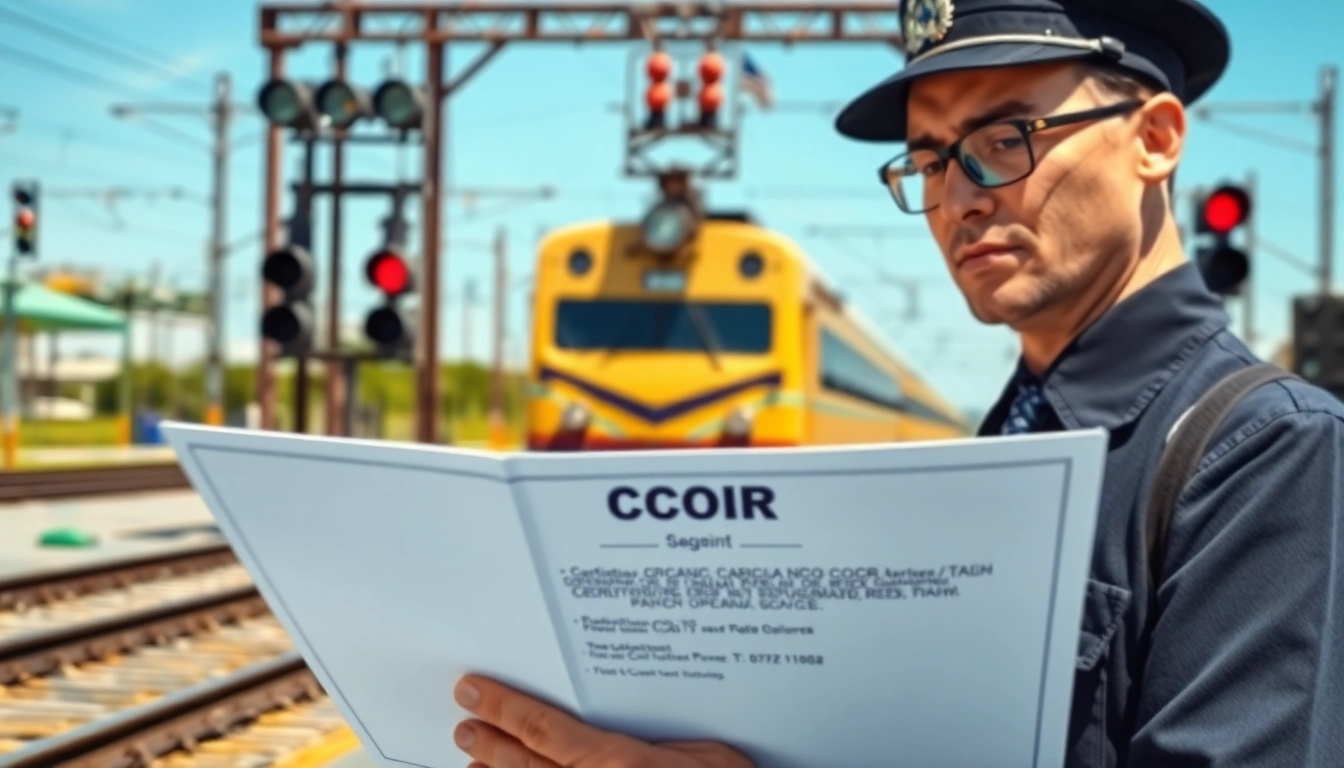
What is CROR Certification?
Definition of CROR Certification
The Canadian Rail Operating Rules (CROR) Certification is an essential credential for professionals working within the Canadian railway industry. This certification signifies compliance with standardized operational protocols designed to ensure safety, efficiency, and reliability while handling rail operations. Achieving CROR certification demonstrates a thorough understanding of these operational rules, which are mandated by regulatory bodies to uphold safety standards across all railway companies in Canada.
Importance in Rail Operations
In an industry where precision and safety are paramount, CROR certification embodies not just knowledge but accountability and competence. It is more than just a certification; it’s a badge of trustworthiness and professionalism in rail operations. Certified personnel are crucial to mitigating risks and preventing accidents, as they have trained extensively on the intricacies of railway safety protocols, signaling, track usage, and emergency procedures. For railway companies, employing certified individuals signifies a commitment to safety and operational excellence.
Overview of Certification Process
The path to obtaining CROR certification involves a structured training program and examinations to ensure candidates possess the necessary knowledge and skills. The certification process generally includes attending formal training sessions, which cover the critical aspects of railway operations as dictated by the CROR. Following the completion of the training, candidates must pass a written exam to demonstrate their competency. This rigorous process ensures that only qualified professionals are entrusted with railway operations.
Steps to Achieve CROR Certification
Required Training and Coursework
To begin the journey toward CROR certification, candidates are required to undertake specific training modules designed to equip them with essential knowledge of railway operations. Typically, a five-day in-person training course is necessary, covering topics such as signaling protocols, track usage, and safety measures. These courses may be offered by various accredited organizations in the railway sector, and they follow curricula that align with Transport Canada’s guidelines. Attending the training is crucial as it provides the foundational knowledge required for candidates.
Exam Prep and Study Materials
Preparing for the CROR examination is a vital step in the certification process. This preparation phase should include reviewing course materials, examining sample questions, and utilizing study guides specifically tailored for CROR certification. Many training providers offer resources that can help candidates familiarize themselves with potential examination content. Engaging in study groups or practice exams can dramatically improve one’s understanding and retention of the material, thereby enhancing the chances of passing the certification exam on the first attempt.
Real-World Applications After Certification
Upon achieving CROR certification, individuals are not only equipped with theoretical knowledge but also prepared for practical applications in real-world scenarios. Certified professionals can pursue various roles within the railway industry, such as conductors, yard supervisors, and operational managers. Their training allows them to make informed decisions regarding safety and efficiency in railway operations, ensuring compliance with regulatory standards while fostering an environment of safety and accountability.
Benefits of CROR Certification
Enhanced Safety Awareness
One of the significant benefits of obtaining CROR certification is the enhancement of safety awareness among employees. The rigorous training programs focus on identifying potential safety hazards and understanding the procedures to mitigate risks. This comprehensive safety education translates into fewer accidents and incidents, not only creating a safer environment for the employees but also for the public and company assets.
Career Advancement Opportunities
CROR certification opens doors to numerous career advancement opportunities within the railway sector. As companies prioritize hiring certified individuals, having this credential on your resume significantly enhances employability. Certified professionals are often preferred candidates for higher responsibility roles, promoting an environment where continuous personal and professional development is encouraged. This not only benefits the individual but also contributes to overall organizational effectiveness and reputation.
Building a Professional Network
Participating in CROR certification training enables individuals to build meaningful professional networks. Engaging with instructors and fellow trainees fosters relationships that can lead to future job opportunities, mentorship, and collaboration. Networking within the industry is vital, as it provides insights into job openings, industry trends, and the sharing of best practices, which can be instrumental in advancing one’s career.
Common Myths About CROR Certification
Myths vs. Reality in Training
There are several misconceptions surrounding CROR certification. One common myth is that the training is excessively rigorous and unattainable for many industry professionals. In reality, while the training is comprehensive, it is designed to be accessible, providing individuals with the necessary tools and knowledge to succeed. Moreover, many training providers offer additional assistance to help candidates through challenging aspects of their coursework.
Understanding Costs and Financial Aid
Another prevalent myth is that CROR certification comes with exorbitant costs, which deters potential candidates from pursuing it. While expenses can vary depending on the training provider, there are often financial aid options available to support candidates. Many organizations offer scholarships or payment plans to reduce the financial burden associated with obtaining this certification.
Accreditation and Recognition Explained
Many individuals may question the legitimacy of the CROR certification due to confusion over different training providers’ accreditation. It’s essential to understand that CROR certification is recognized across the Canadian railway industry when obtained from accredited institutions. Verification of a program’s accreditation is a critical step for individuals to ensure their certification holds industry value and recognition.
FAQs About CROR Certification
What are the prerequisites for CROR certification?
The prerequisites typically include a basic understanding of railway operations and a commitment to completing the required training program. No specific prior experience is generally mandated, but a passion for rail operations can be beneficial.
Is there an online option for CROR certification?
While some providers may offer blended learning options, comprehensive CROR certification training is primarily in-person to ensure practical, hands-on experience, which is crucial for operational proficiency.
What is the duration of the training program?
The standard training program for CROR certification usually lasts about five days, offering extensive learning opportunities that cover all necessary operational protocols and safety measures.
Are practical assessments part of the process?
Yes, practical assessments are integral to the CROR certification process, allowing candidates to demonstrate their competency in real-world scenarios as part of their training requirements.
How does CROR certification impact career growth?
CROR certification can greatly enhance career growth opportunities by making candidates more attractive to employers, facilitating promotions, and providing access to diverse roles within the railway industry.
Contact Information
Call Us: +1 780-400-4104
Email: [email protected]
Address: 3403 74 AVE NW , T6B 3B8