
Understanding Custom Metal Fabrication
What is Custom Metal Fabrication?
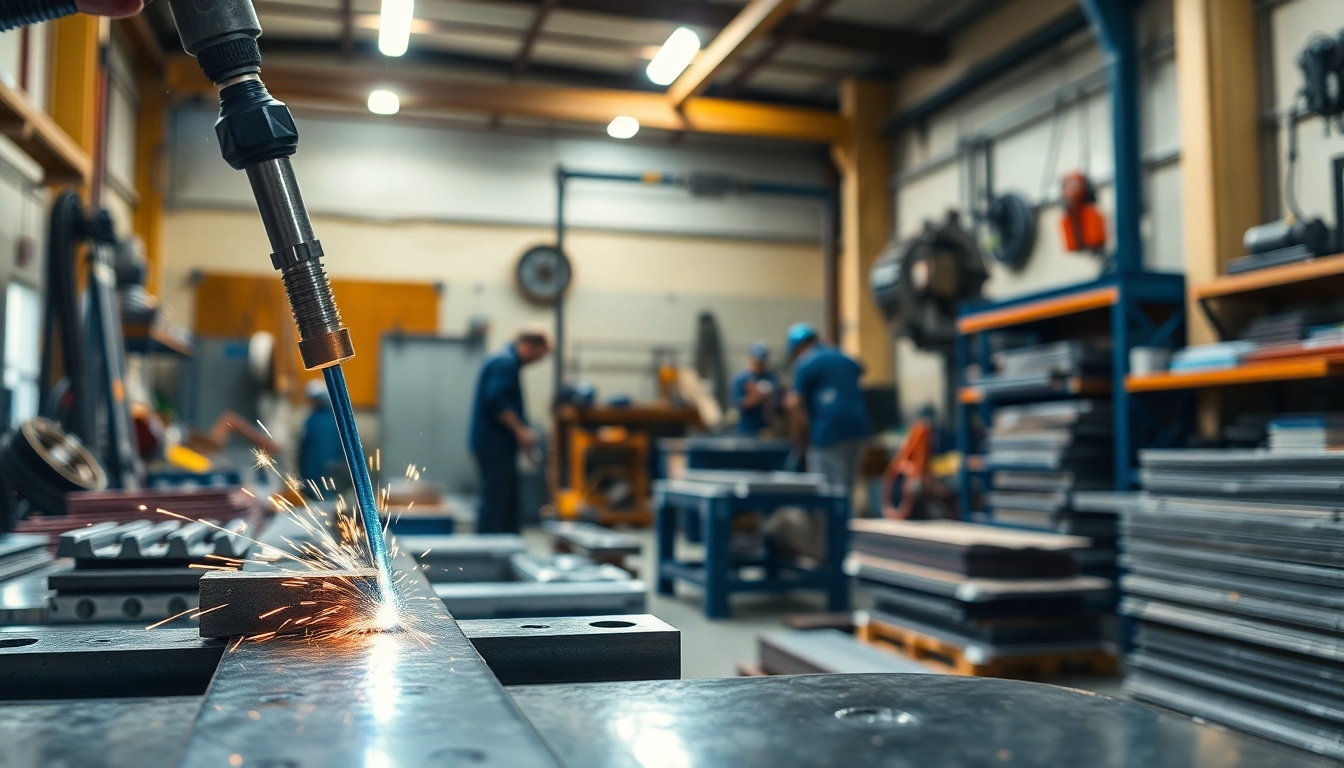
Custom metal fabrication refers to the process of creating metal structures or components tailored to specific requirements and designs. This involves various methods such as cutting, bending, welding, and assembling metal materials to create a final product that meets precise specifications. Businesses and individuals seeking unique solutions often turn to custom metal fabrication for its adaptability and precision. For more detailed insights into the creative aspects of this process, you may explore custom metal fabrication services.
The Importance of Precise Measurements
In metal fabrication, accurate measurements are paramount. The success of any fabrication project hinges on understanding the dimensions and specifications needed for each component. For example, in industrial applications, a small deviation in measurements can result in costly errors, such as misaligned components or structural failures. Therefore, skilled fabricators utilize specialized tools and technologies, like laser measurement systems and CAD software, to ensure precise dimensions throughout the fabrication process.
Common Materials Used in Custom Metal Fabrication
Various materials can be utilized for custom metal fabrication, each offering unique properties and benefits. Common materials include:
- Stainless Steel: Renowned for its durability and resistance to corrosion, making it ideal for both industrial and architectural applications.
- Aluminum: Lightweight and malleable, aluminum is often used in applications where weight is a concern, such as in the aerospace industry.
- Carbon Steel: A cost-effective option with high tensile strength, often used in construction and manufacturing.
- Copper: Valued for its electrical conductivity, copper is commonly utilized in electrical components and plumbing.
Applications of Custom Metal Fabrication
Industrial Uses and Applications
Custom metal fabrication plays a crucial role in numerous industries, providing tailored solutions to meet specific operational needs. Applications in industrial settings include customized conveyor systems, storage racks, machinery frames, and infrastructure components. The ability to produce specific designs helps businesses to enhance efficiency, reduce downtime, and meet compliance regulations effectively.
Architectural and Design Projects
In architectural contexts, custom metal fabrication allows for unique design features and forms that wouldn’t be possible with standard materials. This includes ornamental railings, custom facades, and feature staircases. The aesthetic flexibility of metal fabrication means architects and designers can create striking visuals that align with their vision while leveraging the strengths of metal, such as durability and structural integrity.
Custom Metal Fabrication in Artistic Endeavors
Artists and designers increasingly incorporate custom metal fabrication into their works, allowing for innovative expressions across various mediums. Sculptures, installations, and functional art pieces can benefit from metal’s versatility. Custom fabrication enables artists to bring intricate designs to life, often merging other materials or techniques, resulting in unique, hybrid art forms that capture attention and inspire.
Benefits of Custom Metal Fabrication
Tailored Solutions for Unique Needs
One of the primary advantages of custom metal fabrication is the ability to create solutions that perfectly align with specific requirements. Whether it’s for specialized tooling, replacement parts, or innovative designs, custom fabricators work closely with clients to understand their needs. This level of customization can lead to enhanced functionality and improved project outcomes.
Enhanced Durability and Quality
Custom metal fabrication often employs high-quality materials and advanced techniques, contributing to the durability and quality of the finished product. By selecting the appropriate materials and processes, fabricators can produce components that withstand harsh conditions and lengthy usage, making them ideal for demanding environments such as construction sites or industrial applications.
Cost-Effectiveness in Long-Term Projects
While the initial investment for custom fabrication may be higher than off-the-shelf solutions, it is essential to consider long-term benefits. Custom solutions can lead to reduced maintenance costs, minimized downtime, and improved operational efficiency. By investing in high-quality, tailored components upfront, businesses can achieve cost savings over the lifecycle of the product.
Choosing the Right Fabricator
Key Qualities to Look For
When selecting a custom metal fabricator, certain qualities should be prioritized to ensure a successful partnership. Look for a company with a proven track record of delivering high-quality work, technological expertise, and the ability to understand your specific needs. Additionally, consider the breadth of services they offer, such as design assistance, material selection, and finishing options. A comprehensive approach can enhance the effectiveness of your project.
The Significance of Communication
Effective communication is fundamental in the fabrication process. Clients should seek fabricators who prioritize open dialogue and transparency. This ensures that all aspects of the project, including timelines, budgets, and design changes, are clear to both parties. Regular updates and discussions can help address potential issues early and maintain alignment with the project vision.
Evaluating Past Work and References
Before choosing a fabricator, it is vital to review their portfolio and testimonials from previous clients. Examining past projects can provide insight into the quality of their work and help gauge their capability in handling projects similar to yours. References from other clients can also shed light on the fabricator’s reliability, timeliness, and commitment to customer satisfaction.
Future Trends in Custom Metal Fabrication
Integration of Technology in Fabrication
Technology is significantly shaping the landscape of custom metal fabrication. Innovations such as 3D printing, automation, and CNC machining allow for greater precision and efficiency in production processes. Adopting these advanced technologies helps fabricators reduce waste, shorten lead times, and create complex parts that were previously challenging to manufacture.
Sustainability in Metalworking
As the demand for environmentally friendly practices grows, the custom metal fabrication industry is adapting by incorporating sustainable methods. This includes the use of recycled materials, energy-efficient processes, and waste reduction techniques. By focusing on sustainability, businesses can not only reduce their ecological footprint but also appeal to a growing number of environmentally conscious consumers.
Advancements in Custom Design Techniques
The future of custom metal fabrication lies in the continual advancement of design techniques. Software that enables more sophisticated modeling and simulation allows fabricators to experiment with designs before physical production. This capability enhances creativity while ensuring that the final product performs effectively and meets all required specifications.
FAQs About Custom Metal Fabrication
What types of projects can benefit from custom metal fabrication?
Custom metal fabrication can benefit a wide range of projects, including industrial machinery, architectural features, artistic installations, and custom tooling.
How long does the custom metal fabrication process take?
The timeline for custom metal fabrication varies based on project complexity and size. Typically, it can range from a few days to several weeks, depending on the specifics.
Can I order custom metal fabrications in small quantities?
Yes, many fabricators accept small-scale orders, allowing individuals and businesses to obtain custom parts even in limited quantities.
What factors influence the cost of custom metal fabrication?
Cost factors include material choice, complexity of design, labor, and any required finishing processes. Customization often increases overall project expenses.
Do custom metal fabricators offer design assistance?
Most custom metal fabricators provide design assistance or work closely with clients to refine designs, ensuring manufacturability and effectiveness of the final product.
Contact Information
Call Us: 780-955-3999
Email: [email protected]
Address: 1204 8 St, Nisku, AB T9E 7M1