Understanding Epoxy Flooring: Benefits and Features
Epoxy flooring is rapidly gaining popularity in both residential and commercial settings due to its durability and aesthetic appeal. This versatile flooring solution is made from a combination of resins and hardeners, creating a robust surface that withstands heavy foot traffic and various stresses. When exploring options, ElevateEpoxyFlooring.com provides comprehensive insights into the benefits and features of epoxy flooring. With a range of applications, it can enhance garages, basements, showrooms, and even retail spaces.
What is Epoxy Flooring?
Epoxy flooring is a surface created by applying a layer of epoxy resin to a concrete base. This process not only provides a glossy finish but also forms a durable layer that can resist impacts, chemicals, and staining. The result is a low-maintenance, aesthetically pleasing surface that is both functional and decorative. Epoxy flooring is often chosen for its wide array of color options, including an impressive selection of flakes that can personalize any space.
Key Advantages of Using Epoxy
- Durability: Epoxy flooring is exceptionally tough, making it ideal for high-traffic areas.
- Low Maintenance: Unlike other flooring options, epoxy requires minimal upkeep and is easy to clean.
- Aesthetic Flexibility: Various color and flake options allow for customization to fit any design scheme.
- Resistance to Chemicals and Stains: It is particularly well-suited for garages and industrial spaces where spills may occur.
- Environmentally Friendly: Many modern epoxy products are VOC-free, contributing to healthier indoor air quality.
Environmental Benefits of VOC-Free Materials
The growing demand for eco-friendly materials has led to the development of VOC-free epoxy resins. These materials significantly reduce harmful emissions, creating a safer environment during and after application. Choosing VOC-free options not only benefits indoor air quality but also aligns with sustainable building practices. Homeowners and businesses are more conscious than ever about their environmental footprint, making this aspect of epoxy flooring particularly appealing.
Choosing the Right Color and Flake Options
Color and texture play vital roles in the appeal of epoxy flooring. With a variety of options available, selecting the right combination can enhance the aesthetic of any room or workspace.
Exploring the Flakes Color Chart
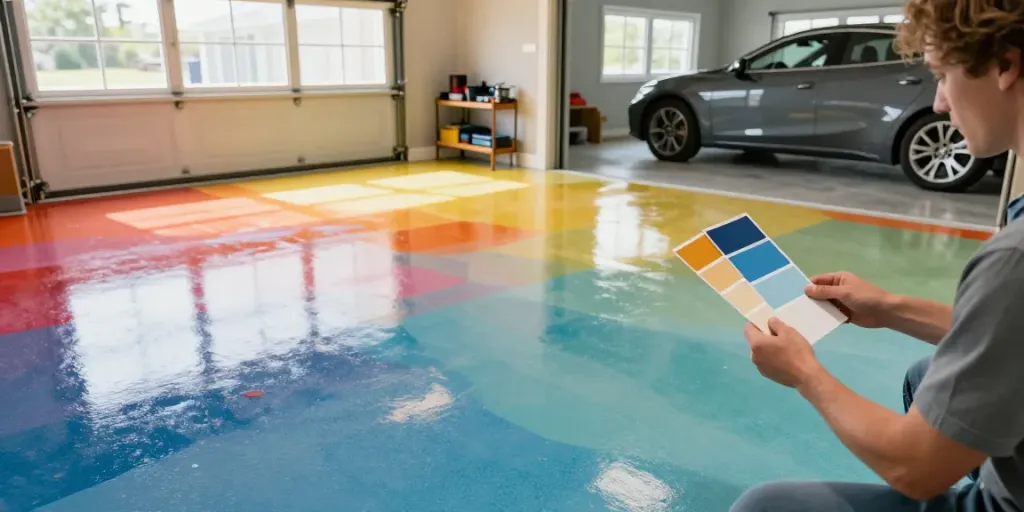
Epoxy flooring can be customized with decorative flakes that add texture and style. The flakes color chart presents a wide variety of color combinations, ranging from classic neutrals to vibrant hues. These choices enable homeowners to match their flooring to existing decor, creating a cohesive look that enhances their space.
Best Selling Colors for Your Space
Some of the best-selling colors in epoxy flooring include shades like gray, tan, and blue, which complement various design styles. Gray, for example, provides a modern touch that pairs well with industrial motifs, while warmer hues can make a space feel inviting. When selecting a color, consider both personal preferences and the overall ambiance of the room.
Personalizing Your Epoxy Flooring Choice
Personalization is a significant advantage of epoxy flooring. Beyond basic color selection, homeowners can choose different flake sizes, patterns, and even sparkles to create unique flooring solutions. This level of customization allows for personal expression while ensuring the flooring remains functional and durable.
Application Process: How Epoxy Flooring is Installed
Understanding the installation process helps homeowners prepare for their epoxy flooring project effectively. The process involves several critical steps that ensure a high-quality finish.
Preparation: What to Expect Before Installation
Before installation, the concrete surface must be thoroughly cleaned and repaired. Any cracks should be filled, and the area should be free of dirt, grease, and moisture. Proper preparation is essential to ensure the epoxy bonds well with the concrete, preventing future peeling or damage.
The Installation Process: Step-by-Step Guide
- Concrete Preparation: Cleaning and repair of the surface.
- Priming: Applying an epoxy primer to enhance adhesion.
- Mixing: Preparing the epoxy resin according to manufacturer instructions.
- Application: Pouring and spreading the epoxy mixture across the surface.
- Flake Broadcasting: If flake is being used, it should be broadcasted onto the wet epoxy.
- Curing: Allowing the epoxy to set and cure as per specifications.
- Topcoat Application: Adding a clear topcoat for additional protection.
Post-Installation Care and Maintenance Tips
Once installed, maintaining epoxy flooring is straightforward. Routine cleaning with a damp mop and avoiding harsh chemicals will preserve its appearance and longevity. It is also essential to address spills promptly to prevent potential staining, particularly in high-traffic areas.
Cost Considerations and Budgeting for Epoxy Flooring
Budgeting for an epoxy flooring project involves understanding various cost factors, including materials, labor, and the size of the area to be covered.
Understanding the Cost Breakdown
The overall cost of epoxy flooring can vary widely based on several factors. Generally, the price ranges from $3 to $12 per square foot, depending on the type of epoxy, the complexity of the installation, and the decorative components used, such as flakes or patterns. Be sure to get multiple quotes to gauge the best options available.
How to Budget for Your Epoxy Flooring Project
When planning your budget, factor in not only the material costs but also any preparation work that may be required on the concrete surface. It’s also wise to allocate a contingency fund for unexpected expenses that may arise during installation.
Comparing Epoxy to Other Flooring Options
Compared to traditional flooring materials such as vinyl, hardwood, or tile, epoxy offers superior durability and resistance to damage, often resulting in lower long-term costs. However, it is essential to assess your specific needs and preferences to determine the best flooring solution for you.
Future Trends in Flooring: Innovations to Watch in 2026
As the flooring industry evolves, several trends and innovations are expected to shape the market in 2026 and beyond.
Emerging Materials and Techniques
New materials that enhance the strength and sustainability of flooring options are being developed. Innovations such as recycled materials in epoxy formulations are gaining traction, providing eco-friendly alternatives that meet consumer demand.
Demand for Eco-Friendly Flooring Solutions
As environmental consciousness grows, the demand for sustainable flooring solutions, including VOC-free epoxy, will continue to rise. Brands that prioritize eco-friendliness will likely gain a competitive edge in the market.
Trends in Home Design and Renovation Preferences
Homeowners are increasingly looking for flooring options that combine aesthetics with practicality. Open-concept spaces and multifunctional areas are driving the need for durable, versatile flooring solutions.
What Homeowners Are Asking?
Common questions homeowners have about epoxy flooring center around maintenance, longevity, and application. Addressing these concerns is crucial for contractors and suppliers to aid informed decision-making.
Is Epoxy Flooring Suitable for All Rooms?
While epoxy flooring can be used in numerous settings, it's particularly well-suited for garages, basements, and commercial spaces. However, considerations such as slip resistance should be taken into account for kitchens and bathrooms, where moisture may be a concern.
What Maintenance Does Epoxy Flooring Require?
Maintenance for epoxy flooring is minimal. Regular sweeping and mopping are typically sufficient to keep the surface clean and vibrant. Avoiding abrasive cleaners will help maintain the integrity of the floor.
How Long Does Epoxy Flooring Last?
With proper care, epoxy flooring can last anywhere from 10 to 20 years, making it a worthwhile investment when installed correctly. The durability of the material means fewer replacements are needed over time.
Can Epoxy Flooring Be Applied Over Existing Floors?
Yes, epoxy can often be applied over existing concrete floors, provided the surface is properly prepared. This can be a cost-effective way to upgrade the look of a space without complete flooring removal.
What are the Advantages of VOC-Free Epoxy?
VOC-free epoxy provides a safer alternative for indoor applications, minimizing harmful emissions that can affect indoor air quality. This option is particularly appealing for homeowners looking to improve their living environment while still achieving a durable and attractive floor.