Understanding Water Lilies
Water lilies are enchanting aquatic plants that can transform your garden pond into a vibrant oasis. Known for their stunning floating leaves and exquisite flowers, these plants not only enhance the aesthetic value of your water garden but also promote a healthy pond ecosystem. When exploring options, Buy Water Lilies can be a great choice for any pond enthusiast looking to add depth and color to their aquatic landscape.
What are Water Lilies?
Water lilies, known scientifically as Nymphaea, are perennial aquatic plants with broad, floating leaves and large flowers that bloom on the water’s surface. These plants thrive in various pond conditions, providing vital habitat for fish and other wildlife while simultaneously contributing to pond aesthetics through their vibrant blooms. Typically found in temperate regions, they can be classified into hardy and tropical varieties—with the former being more suitable for UK gardens due to their durability and ability to withstand cold temperatures.
Types of Water Lilies for Your Pond
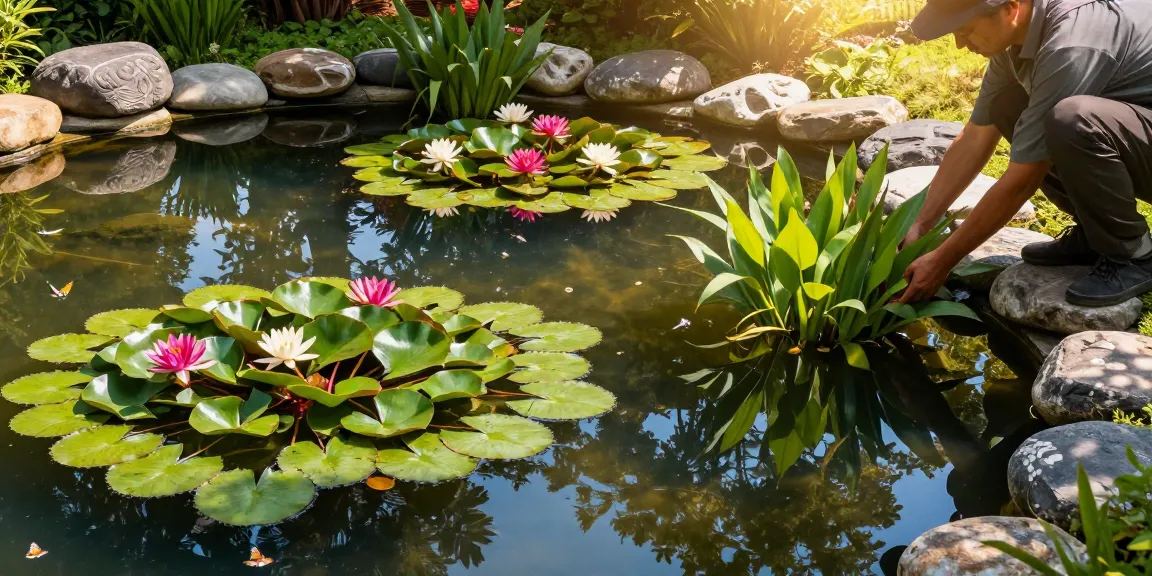
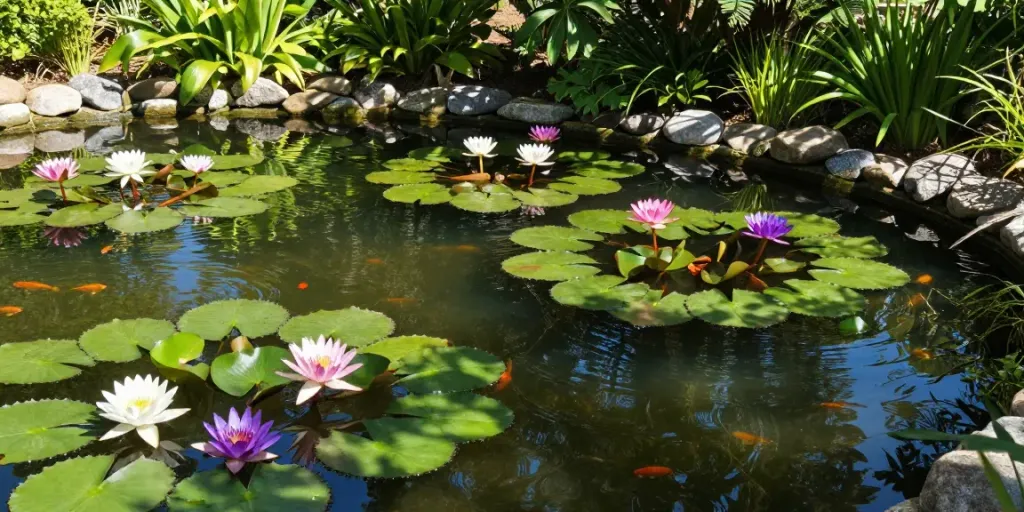
There are numerous varieties of water lilies that cater to different pond sizes and styles. Compact varieties, such as Nymphaea Pygmaea Helvola and Nymphaea Pygmaea Alba, are ideal for smaller ponds and containers, while robust types, like Nymphaea 'Darwin' and Nymphaea 'Black Princess', flourish in larger spaces. Each variety boasts unique flower colors, ranging from white and pink to deep red and vibrant yellow, allowing you to curate a tailored aquatic display.
Benefits of Buying Water Lilies
Adding water lilies to your garden pond can provide a multitude of benefits. They contribute significantly to water quality by shading the pond surface, which helps inhibit algae growth by limiting sunlight penetration. Moreover, their extensive root systems aid in nutrient absorption, promoting healthier water conditions. Additionally, water lilies create a serene and picturesque environment, becoming an attractive focal point for relaxation and wildlife observation.
Choosing the Right Water Lily Variety
Factors to Consider: Size, Color, and Growth
When choosing the right water lily variety, consider the size of your pond and the amount of sunlight it receives. The surface area of your pond will determine which lily type will thrive—compact water lilies are suited for smaller spaces, while larger varieties can dominate expansive ponds. Additionally, the color of the blooms should align with your aesthetic preferences and complement other plants in your garden.
Water Depth and Sunlight Requirements
Understanding the specific water depth requirements for each water lily variety is crucial for planting success. Typically, compact water lilies prefer shallower areas, while larger ones thrive in deeper water. Furthermore, most water lilies flourish in full sun, needing at least 6 hours of direct sunlight to produce a spectacular display of blooms. Positioning them correctly ensures vibrant growth and flowering performance.
Best Varieties for Small and Large Ponds
For small ponds, opt for varieties like Nymphaea 'Gonnere' or Nymphaea 'Pygmaea Helvola', which stay compact while still offering beautiful blooms. In contrast, large ponds can benefit from more vigorous species such as Nymphaea 'Colorado' or Nymphaea 'Inner Light', which require more space to flourish and may provide extensive leaf cover over the water’s surface.
Planting Water Lilies Effectively
Preparing Your Pond for New Plants
Before planting your water lilies, ensure your pond is properly prepared. This includes checking water quality, ensuring appropriate pH levels, and confirming that the pond environment has stabilized. Additionally, make sure that no chemicals or pollutants are present, as these can hinder the growth of your new aquatic plants.
Correct Planting Depth for Different Varieties
Planting depth is crucial for the successful establishment of water lilies. Generally, compact varieties should be placed at around 30-45 cm below the water surface, while larger varieties can be planted at depths of 60-90 cm. This depth is measured from the top of the aquatic basket to the water surface, allowing the leaves to rise towards the sun as they grow.
Choosing the Right Aquatic Soil and Containers
Water lilies thrive best in specialist aquatic compost that is heavy enough to stay in the basket and prevent it from floating. When selecting containers, use aquatic baskets that provide sufficient space for the rhizomes to spread. Ensure that each basket has drainage holes to allow water movement while retaining the soil for healthy root growth.
Caring for Your Water Lilies
Water Lily Maintenance: Pruning and Fertilizing
Regular maintenance of your water lilies is essential to keep them healthy and thriving. Prune away yellowing leaves and faded flowers to encourage new growth and prevent decay in the pond. Additionally, fertilizing the plants during the growing season can promote blooming; however, use only aquatic fertilizers to prevent excess nutrients from entering the pond.
Managing Sunlight and Water Conditions
Monitoring the sunlight exposure and water conditions is vital for optimal growth. Ensure that your water lilies receive ample sunlight while being cautious of strong currents or turbulent waters, which can damage the leaves and impede flowering. If necessary, provide shade during extreme heat to protect delicate blooms.
Addressing Common Issues in Water Lily Care
Common issues that may arise include algae growth, insufficient blooms, or pest infestations. If your water lily is not blooming, reassess its sunlight exposure and planting depth, and consider the plant's overall health. Pests like water lily beetles can be managed through careful monitoring and physical removal of affected leaves.
Enhancing Your Pond Ecosystem with Water Lilies
Water Lilies and Pond Health: A Natural Balance
Integrating water lilies into your pond ecosystem supports a natural balance. Their leafy canopies provide shade that reduces water temperature, creating a more hospitable environment for fish and beneficial microorganisms. This balance helps maintain optimal oxygen levels and improves overall pond health.
Water Lilies as a Fish Habitat
Water lilies offer valuable habitat for fish and other pond inhabitants. Their floating leaves create safe resting spots and shaded areas, making fish feel secure and reducing stress. Explore compatible fish species that thrive alongside these beautiful plants to create an ideal pond environment.
Creating a Biodiverse Environment with Pond Plants
Your pond's biodiversity can significantly benefit from incorporating water lilies alongside other aquatic plants, such as oxygenators and marginals. This variety fosters a thriving ecosystem, improves water quality, and enhances the visual appeal of your garden pond.
When is the Best Time to Buy Water Lilies?
The best time to introduce water lilies into your pond is during the spring or early summer when temperatures are warming up. This timing allows the plants to establish themselves before the peak growing season. Look for established plants from trusted suppliers to increase the likelihood of successful growth.
Are Water Lilies Suitable for Wildlife Ponds?
Absolutely! Water lilies are ideal for wildlife ponds, providing shelter for various organisms, including frogs and beneficial insects. The dense foliage creates a rich habitat, supporting the ecosystem's health and attracting a variety of wildlife to your pond.
How to Prevent Algae Growth with Water Lilies?
To effectively combat algae growth, ensure that your water lilies cover an adequate portion of the pond's surface—ideally between 50% and 70%. By shading the water, water lilies limit sunlight penetration, creating an environment that is less conducive to algae proliferation.