
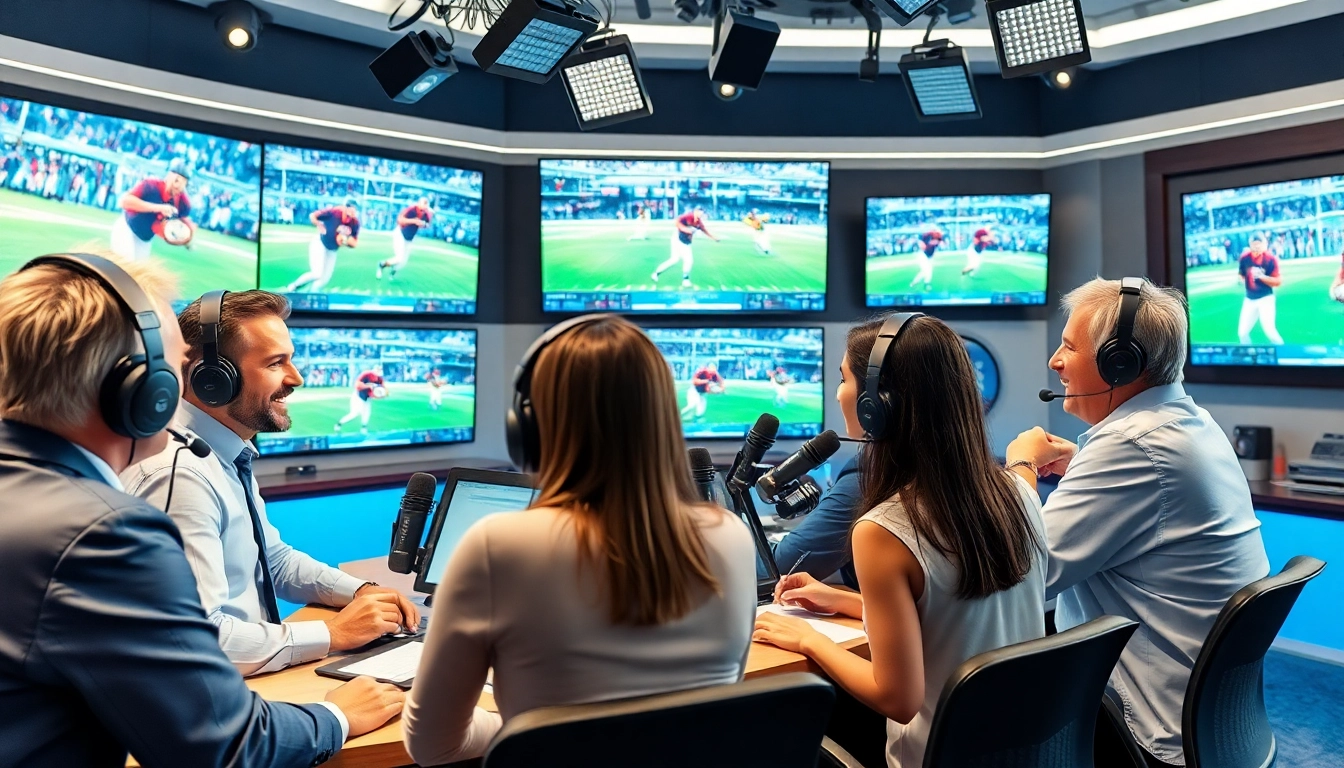
Understanding Sports Broadcasting
Defining Sports Broadcasting
Sports broadcasting refers to the dissemination of live or recorded sports events through various media channels, including television, radio, and the internet. This form of communication has evolved dramatically, becoming a critical component of the global sports industry. Fans engage with sports broadcasting to experience events in real-time or catch up on highlights, analysis, and expert commentary. The world of Sports Broadcasting fosters a connection between teams, athletes, and viewers, enabling accessibility and engagement that enriches the sporting experience.
Historical Context and Evolution
The roots of sports broadcasting can be traced back to the late 19th century when the first radio broadcasts of sports events occurred. The advent of television in the mid-20th century revolutionized the industry, allowing audiences to experience the excitement of live sports like never before. Over the decades, technological advancements have played a crucial role in shaping sports broadcasting. Today, high-definition video, instant replays, and sophisticated analytics are staples of the viewing experience, while the emergence of streaming services has redefined how fans access content.
Types of Sports Broadcasting Platforms
Various platforms cater to the diverse needs of sports fans. Traditional television networks often hold exclusive broadcasting rights for major leagues and events, delivering content to millions at once. Cable sports networks provide 24/7 coverage, featuring in-depth analyses and commentary. Meanwhile, online streaming platforms have gained popularity, allowing viewers to watch games on demand, often on mobile devices. In addition, social media has become an integral part of the sports broadcasting landscape, enabling real-time interactions between fans, players, and commentators.
Key Techniques in Sports Broadcasting
Effective Commentating Skills
Commentators are the voice of sports broadcasting, tasked with conveying the excitement and nuances of a game to viewers. Effective commentating requires a deep understanding of the sport, excellent communication skills, and the ability to engage with the audience. Utilizing storytelling techniques to enhance the viewing experience is crucial, as commentators often weave personal anecdotes and historical context into their narratives to provide richer insights. Strong vocal skills, a clear articulation of thoughts, and, most importantly, an authentic passion for the sport are key ingredients of successful sports commentators.
Utilizing Technology in Broadcasting
Technology plays a pivotal role in modern sports broadcasting. From multi-camera angles and instant replay systems to enhanced graphics that display statistics and player information in real-time, technology supplements the viewer’s experience. The integration of augmented reality (AR) and virtual reality (VR) offers exciting possibilities for immersive viewing experiences, providing fans with an up-close encounter of the action. Moreover, analytics-driven insights delivered during broadcasts have become a significant aspect of how fans interpret game strategies and player performances.
Graphics and Data Presentation
Visual elements, including graphics and data presentations, are essential in sports broadcasting. Infographics, player stats, and team analytics enhance viewer comprehension and engagement, making complex information digestible. Effective data presentation ensures that viewers understand game dynamics, scoring trends, and player statistics without overwhelming them. Broadcast teams must prioritize clarity and relevance when incorporating graphics, ensuring they complement the on-screen action rather than distract from it.
Challenges in Sports Broadcasting
Addressing Viewer Engagement
Viewer engagement is a significant challenge in the competitive landscape of sports broadcasting. With numerous platforms vying for attention, broadcasters must create captivating and interactive content to retain viewers. Engaging pre- and post-game analyses, fan polls, and interactive viewing experiences can enhance engagement levels. Importantly, understanding audience feedback and adjusting content to meet viewer preferences is crucial for sustained success in retaining fans.
Adapting to Changing Technology
The rapid evolution of technology presents continual challenges for sports broadcasters. Adapting to new tools, platforms, and viewer preferences requires flexibility and innovation. Broadcasters must stay ahead of trends, integrating emerging technologies such as artificial intelligence (AI) for enhanced data analysis and automation in content generation. Remaining attuned to viewer consumption patterns and preferences allows broadcasters to provide timely and relevant content tailored to evolving viewer needs.
Legal Considerations and Copyright Issues
Legal considerations, particularly regarding copyright and broadcasting rights, are critical for sports broadcasters. Navigating complex agreements and ensuring compliance with legal obligations can be challenging. Broadcasters must work closely with legal teams to secure the necessary rights for transmission and manage intellectual property concerns. Policies regarding content sharing and distribution must also be established to protect both the broadcaster’s interests and the rights of the teams and players involved.
Best Practices for Sports Broadcasting Professionals
Building a Strong Personal Brand
In a competitive field, building a personal brand is fundamental for sports broadcasting professionals. A recognizable and relatable brand enables broadcasters to connect with audiences on a deeper level. This can include developing a unique on-air persona, engaging socially with fans, and establishing expertise in specific sports or topics. Consistency in messaging and appearances reinforces brand recognition and allows professionals to stand out in the crowded broadcasting landscape.
Networking and Collaboration Opportunities
Networking is essential for career growth in sports broadcasting. Building relationships with peers, industry leaders, and mentors can lead to collaborative opportunities that enhance visibility and career advancement. Attending industry conferences, joining relevant associations, and participating in community events are effective ways to cultivate professional relationships that can foster collaboration and create new pathways for success.
Continuing Education and Training
To stay relevant in the rapidly changing world of sports broadcasting, ongoing education and training are essential. This can include workshops, online courses, and formal education programs focusing on emerging technologies, media ethics, or effective communication strategies. Regularly updating skills and knowledge enables professionals to adapt to industry changes and maintain a competitive edge in their careers.
Future Trends in Sports Broadcasting
Impact of Streaming Services
Streaming services are transforming the sports broadcasting landscape, providing viewers with flexible access to content. Fans can choose from an array of live games, highlights, and customized experiences tailored to their preferences. These platforms often employ subscription-based models, fostering direct relationships with viewers and reducing dependency on traditional advertising. Broadcasters may need to rethink their strategies to align with the increasing shift towards digital-first experiences.
Virtual and Augmented Reality in Broadcasting
Virtual reality (VR) and augmented reality (AR) technologies are poised to revolutionize sports broadcasting. These advancements create opportunities for immersive viewing experiences, allowing fans to virtually attend events from anywhere. By integrating VR and AR, broadcasters can offer unique perspectives, player interactions, and in-depth analyses that were previously unattainable. Adapting to these technologies may lead to profound shifts in how audiences experience sports.
Globalization of Sports Broadcasting
The globalization of sports broadcasting opens new markets and audiences, significantly reshaping how events are produced and consumed. Broadcasters are increasingly focusing on catering to diverse international audiences, creating localized content that resonates with different cultures and languages. This trend presents new opportunities for sports leagues and teams to engage with a broader fan base, necessitating an understanding of different market dynamics and viewer behaviors.
FAQs About Sports Broadcasting
What is sports broadcasting?
Sports broadcasting is the distribution of live or recorded sports events via various media channels like television, radio, and online platforms, connecting teams, athletes, and fans.
How has technology impacted sports broadcasting?
Technology enhances sports broadcasting by providing multi-camera angles, instant replays, and data analytics, creating an interactive and engaging viewer experience.
What skills are essential for sports commentators?
Key skills include excellent communication, in-depth sports knowledge, storytelling ability, and a passion for the sport to engage audiences effectively.
What are the trends affecting the future of sports broadcasting?
Key trends include the rise of streaming services, the integration of VR and AR technologies, and the globalization of sports content to reach diverse audiences.
How can sports broadcasters engage viewers better?
Engagement can be improved through interactive content, audience participation, compelling analyses, and leveraging social media to create a platform for fan interactions.