
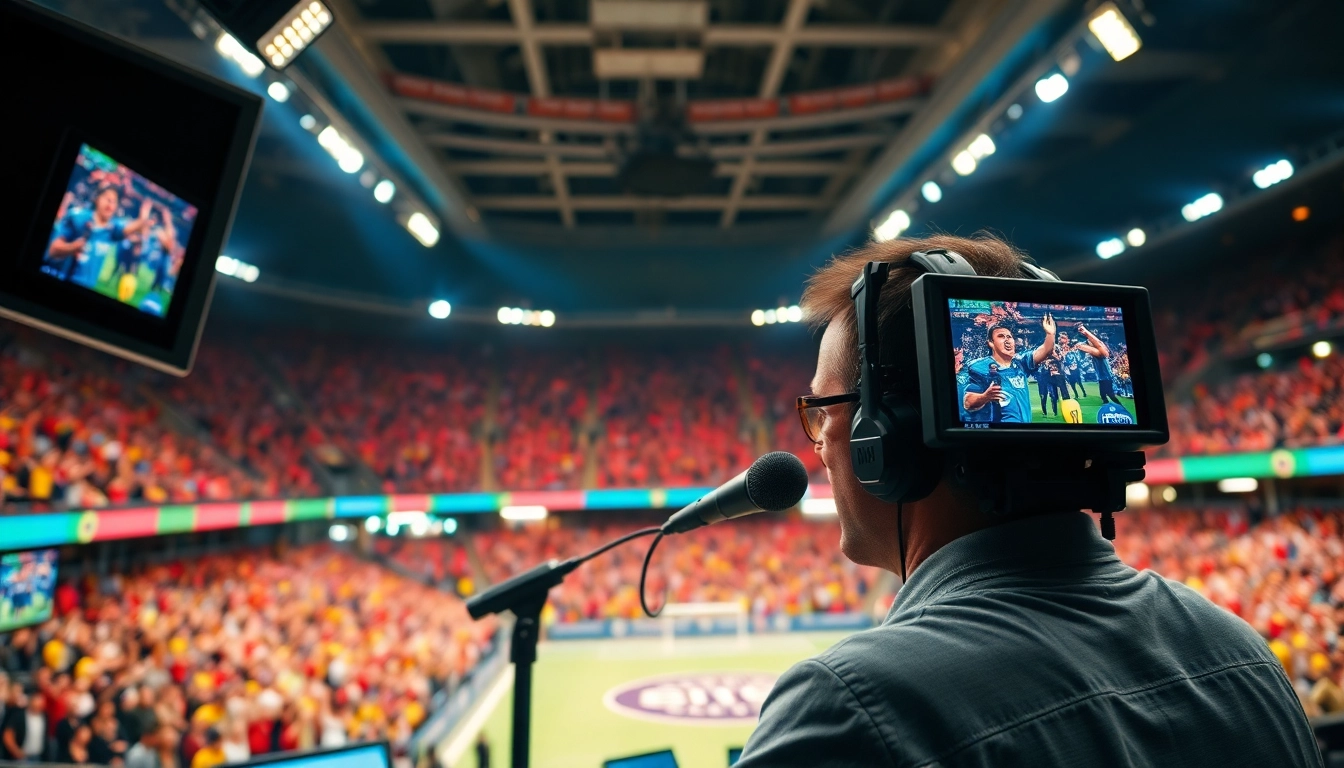
Understanding Sports Broadcasting Basics
What is Sports Broadcasting?
Sports Broadcasting refers to the live and recorded dissemination of sports events and related content through various media channels, such as television, radio, and digital platforms. This dynamic field encompasses not just the play-by-play commentary but also the analysis, highlights, and interviews that add context and enrich the viewer’s experience. With the rise of technology, Sports Broadcasting has evolved to reach broader audiences, blending traditional methods with emerging digital practices.
History and Evolution of Sports Broadcasting
The journey of sports broadcasting began in the early 20th century with live radio broadcasts, allowing fans to partake in events remotely. By the 1930s, the first television broadcasts emerged, forever changing how audiences experienced sports. Pioneering networks and brave innovators steered this evolution, introducing televised commentary, color broadcasts, and multi-camera setups that enhanced viewer engagement. The 1980s onward heralded a golden age where cable networks proliferated, offering 24/7 sports coverage. Today, streaming services are redefining accessibility, allowing fans to watch games anywhere, anytime, enriching the sports broadcasting landscape.
The Role of Technology in Sports Broadcasting
Technology is at the heart of sports broadcasting. Camera systems have evolved dramatically from static cameras to sophisticated robotic and drone setups providing real-time, breathtaking angles. Innovations like instant replay and augmented reality graphics enhance storytelling and deepen engagement. Moreover, evolving internet technologies enable smoother streaming experiences. Data analytics also play a crucial role, providing broadcasters with metrics that engage viewers by enriching broadcasts with game statistics, player performances, and vital insights.
Key Components of Sports Broadcasting
Equipment Essentials for Professional Sports Broadcasting
To deliver compelling sports broadcasts, one requires a robust set of equipment that includes high-definition cameras, microphones, and mixing consoles. Cameras must capture various angles, from the field-level action to aerial views. Advanced microphones ensure that commentary and on-field sounds merge seamlessly, creating an immersive experience. Additionally, software solutions for graphics and live editing allow broadcasters to present statistics and highlights efficiently, ensuring viewers receive timely and relevant information.
The Importance of Commentary Style
Commentary style can significantly impact how audiences perceive and engage with sports broadcasts. Engaging and charismatic commentators can bring energy to a game, while insightful analysts provide depth that enriches viewers’ understanding. A conversational approach often resonates well with audiences, fostering a connection that elevates the viewing experience. Furthermore, adapting commentary to the demographics and preferences of the audience can enhance accessibility, making sports relatable and enjoyable for diverse viewers.
Production Roles in Sports Broadcasting
The seamless operation of sports broadcasting is the result of collaboration among various production roles. Producers oversee the entire broadcast, ensuring that scripts, scheduling, and logistics align with targets. Directors manage camera angles and transitions in real-time, responding swiftly to the evolving dynamics of live sports. Technical operators, sound engineers, and graphics teams enhance production quality, ensuring that each aspect of the broadcast resonates cohesively. The combined efforts of these professionals create a compelling product that captivates audiences across platforms.
Strategies for Effective Sports Broadcasting
Interviewing Techniques for Broadcasters
Conducting insightful interviews can set a broadcaster apart. Successful interviews should begin with well-researched questions, focusing on engaging, open-ended inquiries that encourage in-depth responses. Active listening is crucial; it enables broadcasters to adapt their follow-up questions to steer the conversation meaningfully. Moreover, using personal stories or anecdotal prompts can elicit more relatable and humanized interviews, captivating the audience’s attention during broadcasts.
Cultivating Fan Engagement Throughout Broadcasts
Engaging fans requires a blend of innovative storytelling and interactive elements during broadcasts. Utilizing polls, Q&A sessions, or fan shoutouts creates a two-way channel between broadcasters and viewers. Live chat features on digital platforms enable real-time audience interaction, fostering a sense of community. Additionally, integrating fan-generated content, such as tweets or videos, can enhance relatability and involve fans deeply in the broadcast experience.
Utilizing Social Media in Sports Broadcasting
Social media platforms provide a vital avenue for enhancing viewership and engagement during sports broadcasting. Broadcasters can utilize platforms like Twitter, Instagram, and Facebook to share behind-the-scenes content, live updates, and interactive polls that amplify viewer interest. Cross-promotion of broadcast content on social media can drive traffic to live events while providing fans with bite-sized information and highlights. Furthermore, social listening can offer broadcasters insights into audience preferences, allowing for tailored content delivery.
Challenges in Sports Broadcasting
Handling Technical Difficulties Live
One of the most significant challenges sports broadcasters face is managing technical difficulties during live broadcasts. Preparedness is key; having backup systems and troubleshooting protocols in place can help minimize disruptions. It’s essential to maintain communication among the production team to navigate unexpected issues seamlessly. Furthermore, transparency with the audience can help maintain trust, as acknowledging a technical glitch while providing updates keeps viewers engaged rather than frustrated.
Adapting to Audience Feedback During Broadcast
Audiences are vocal in their feedback, particularly in real-time during sports broadcasts. Broadcasters must be agile, adapting segment timings, commentary styles, or addressing trending topics based on audience reactions. Monitoring social media feeds and audience sentiment analysis can guide broadcasters in fine-tuning their presentations quickly, refining the viewing experience and ensuring that the production resonates with fans’ expectations.
Legal and Ethical Considerations in Sports Broadcasting
Sports broadcasters must navigate a landscape rife with legal and ethical considerations. Copyright regulations are paramount; securing proper permissions for video clips, music, and other media elements is essential. Moreover, ethical broadcasting mandates transparency regarding sponsorships and endorsements. Balancing objective storytelling while respecting athlete privacy and considering diverse audience backgrounds is vital in ensuring a broadcast’s integrity.
Future Trends in Sports Broadcasting
The Rise of Streaming Services in Sports
The emergence of streaming services has revolutionized how sports are consumed, offering viewers unprecedented access to a wide variety of sports events on-demand. These platforms often provide unique features such as multi-camera angles and in-depth analytics, giving fans control over their viewing experience. The trend towards subscription-based services is likely to increase as traditional cable viewership declines, demanding that broadcasters innovate to stay relevant within this new landscape.
Virtual Reality and Augmented Reality in Broadcasting
Virtual reality (VR) and augmented reality (AR) are pushing the boundaries of how fans experience sports broadcasts. These technologies allow viewers to immerse themselves in a virtual stadium or have interactive overlays that provide insights during the game. As VR and AR evolve, they present exciting opportunities for creating more engaging and innovative viewing experiences, making sports more accessible and exciting for fans worldwide.
Predictions for the Next Decade in Sports Broadcasting
As technology weaves further into the fabric of sports broadcasting, we can expect outlandish innovations tailored for fan experiences over the next decade. Automation and artificial intelligence will likely play larger roles in production and analysis, enhancing how broadcasts are created and presented. Additionally, increasing personalization, where viewers can curate their experiences around team, player preferences, and viewing styles, could redefine the sports viewing landscape.
Frequently Asked Questions
What skills are essential for a sports broadcaster?
Essential skills include strong communication, adaptability, deep sports knowledge, interviewing techniques, and the ability to respond quickly to live scenarios.
How has technology changed sports broadcasting?
Technology has enhanced camera quality, introduced interactive graphics, and offered streaming options, improving viewer experience and engagement.
What role does social media play in sports broadcasting?
Social media allows for real-time engagement, sharing updates, highlights, and interaction with fans, enriching the overall broadcast experience.
How do broadcasters handle live technical issues?
Broadcasters prepare with backup systems, maintain production communication, and ensure transparency to engage audiences during technical issues.
What is the future of sports broadcasting?
The future may involve more personalized experiences, advanced VR/AR technology, and an increased focus on streaming services to reach broader audiences.