
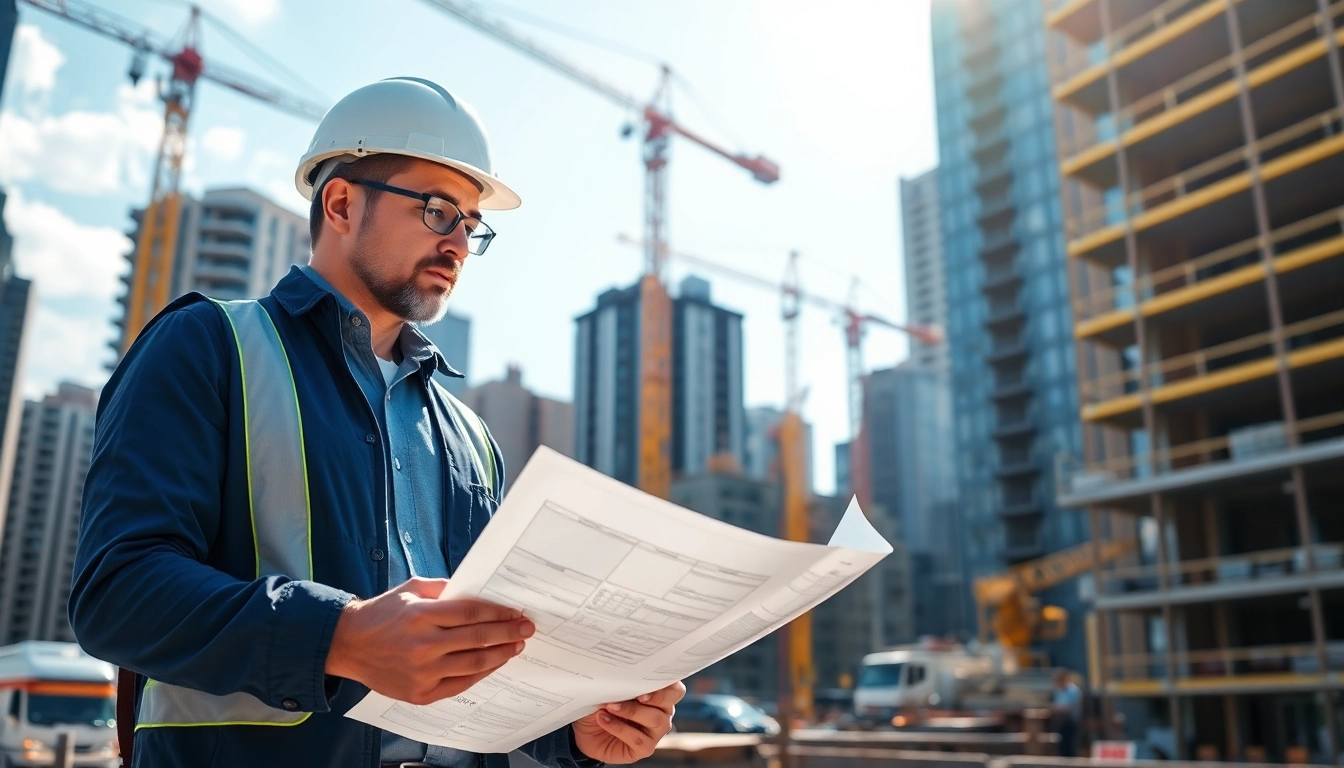
Understanding the Role of Manhattan Construction Manager
In the bustling environment of Manhattan, construction projects take place at a rapid pace, necessitating effective oversight and management. The Manhattan Construction Manager plays a pivotal role in guiding projects from conception through to completion, steering them with expertise amid the complexities of city regulations, varied stakeholders, and stringent timelines.
Key Responsibilities and Duties
The duties of a Manhattan Construction Manager are multi-faceted and encompass various stages of the construction process. Key responsibilities include:
- Project Planning: Developing thorough project plans that outline scope, timelines, resources, and budget forecasts.
- Resource Allocation: Assigning team roles and responsibilities, including subcontractors and construction crews, to ensure efficiency.
- Compliance Management: Ensuring that all operations comply with local, state, and federal regulations to avoid legal issues.
- Quality Assurance: Overseeing construction activities to ensure that quality standards are met and maintained throughout the project lifecycle.
- Stakeholder Communication: Acting as the primary contact point for clients, architects, and contractors to facilitate smooth collaboration.
Skills Required for Effective Management
To excel as a Manhattan Construction Manager, a combination of technical and interpersonal skills is essential. Key skills include:
- Leadership: The ability to motivate teams and ensure that everyone works towards a common goal.
- Problem-Solving: Quickly identifying and addressing issues that arise during the construction process.
- Technical Knowledge: A strong understanding of construction methods, materials, and relevant technologies.
- Time Management: Effectively scheduling tasks to keep projects on track and within budget.
- Negotiation: Skillfully negotiating contracts with subcontractors and vendors for the best possible terms.
The Importance of Communication in Projects
Clear communication is fundamental in the construction industry, especially in a dynamic environment like Manhattan. A Manhattan Construction Manager must:
- Regularly update stakeholders on progress and any potential issues.
- Facilitate collaboration among different teams, ensuring that all parties are aligned with project goals.
- Utilize modern communication tools to maintain transparency and accountability.
The Benefits of Hiring a Manhattan Construction Manager
Engaging a Manhattan Construction Manager brings numerous advantages to projects, particularly in a complex urban setting. By leveraging their expertise, you can enhance project outcomes:
Streamlining Project Planning and Execution
A proficient Manhattan Construction Manager applies structured methodologies to streamline project planning. They can break down complex tasks into manageable segments, ensuring that each phase aligns with the overall project timeline. This clarity and direction minimize the risk of delays.
Cost Management and Budgeting Insights
Construction budgets can often spiral out of control, but a skilled Manhattan Construction Manager employs strategic budgeting techniques. They monitor expenses against the project plan, identify cost-saving opportunities, and implement tracking systems to ensure adherence to the financial plan. Their insights can significantly reduce budget overruns.
Enhancing Safety Standards on Site
Safety is paramount in construction. A Manhattan Construction Manager establishes protocols to ensure workplace safety, conducting regular inspections and training sessions. They also stay updated with industry regulations to implement best practices that protect workers and minimize liability.
Challenges Faced by Manhattan Construction Managers
While the role of a Manhattan Construction Manager is rewarding, it is also fraught with challenges. Being aware of these hurdles allows for better strategic planning:
Overcoming Project Delays and Setbacks
Delays are common in construction projects due to unexpected challenges such as weather conditions, supply chain disruptions, or regulatory changes. A Manhattan Construction Manager proactively identifies potential risks and develops contingency plans to minimize disruptions and keep the project on track.
Managing Diverse Stakeholder Expectations
Projects often involve various stakeholders with differing expectations. The Manhattan Construction Manager must skillfully navigate these relationships, balancing the needs of clients, subcontractors, and regulatory bodies to maintain harmony and ensure project alignment.
Adaptability to Industry Changes
The construction industry is ever-evolving, influenced by trends, technological advancements, and regulatory shifts. A competent Manhattan Construction Manager continually updates their knowledge and adapts strategies to incorporate new practices, ensuring the project remains competitive and compliant.
Best Practices for Collaborating with Your Manhattan Construction Manager
To maximize the effectiveness of a Manhattan Construction Manager, follow these best practices for collaboration:
Establishing Clear Goals and Objectives
Before initiating a project, it is critical to work with your Manhattan Construction Manager to define clear, measurable goals. This foundational step facilitates a unified vision and sets a benchmark for evaluating project success.
Regular Progress Meetings and Updates
Schedule consistent progress meetings to evaluate milestones and discuss potential challenges. This keeps everyone informed and reinforces accountability across the project team.
Leveraging Technology in Project Management
Utilize project management tools and software to enhance collaboration, track progress, and streamline communication. Tools like Building Information Modeling (BIM) can be beneficial for visualizing project outcomes and managing resources effectively.
Measuring the Success of Your Construction Projects
To determine the success of construction projects, it is essential to implement robust measurement practices:
Key Performance Indicators to Track
Establish Key Performance Indicators (KPIs) to assess the efficiency and effectiveness of your projects. Common KPIs include:
- Budget adherence
- Timeline accuracy
- Quality of workmanship
- Safety incident rates
Feedback Loops for Continuous Improvement
Implement feedback loops to gather insights from team members and stakeholders. Lessons learned from each project can inform future strategies and foster a culture of continuous improvement.
Evaluating Long-term Outcomes
Assess the long-term performance of projects by evaluating how well they meet the established goals over time. This might include examining the operational efficiency of the completed structures or tracking their impact on community development.
FAQs
What does a Manhattan Construction Manager do?
A Manhattan Construction Manager oversees construction projects, ensuring they meet deadlines, budgets, and quality standards.
How can a Manhattan Construction Manager help with budgeting?
A Manhattan Construction Manager provides insights and strategies to effectively manage costs, ensuring projects stay within budget.
What are the main challenges faced by Manhattan Construction Managers?
Common challenges include project delays, stakeholder management, and adapting to industry changes while maintaining quality.
How can I ensure effective communication with my Manhattan Construction Manager?
Schedule regular progress meetings, set clear expectations, and use collaborative tools to enhance communication throughout the project.
What performance metrics should I track with a Manhattan Construction Manager?
Track metrics such as budget adherence, timeline accuracy, and quality of work to evaluate project success effectively.