Understanding Vegan Astaxanthin Supplement
Vegan astaxanthin supplements have gained popularity as health-conscious consumers increasingly seek plant-based alternatives to enhance their well-being. Astaxanthin, a powerful carotenoid found primarily in microalgae, has earned recognition for its antioxidant properties and potential health benefits. As more people embrace veganism and plant-based diets, understanding the value of these supplements becomes crucial for maintaining optimal health. When exploring options, vegan astaxanthin supplement provides comprehensive insights into what makes this nutrient essential.
What is Astaxanthin and Its Benefits?
Astaxanthin is a naturally occurring carotenoid pigment that belongs to the family of terpenes. Its vibrant red-orange hue is commonly associated with seafood like shrimp and salmon, but it's the microalgae Haematococcus pluvialis that serves as its richest source. This nutrient is renowned for its exceptionally strong antioxidant capabilities, boasting a potency that is significantly higher than that of vitamins C and E.
- Anti-Inflammatory Properties: Astaxanthin has been shown to reduce inflammation, making it beneficial for those suffering from various chronic diseases.
- Eye Health: Research indicates that astaxanthin may support eye health by reducing eye strain and fatigue, particularly for individuals who spend prolonged hours in front of screens.
- Skin Protection: Studies suggest that astaxanthin can improve skin elasticity and hydration, and may even protect the skin from UV damage.
- Endurance Enhancement: Athletes often turn to astaxanthin supplements to enhance physical performance by improving endurance and recovery times.
Importance of Vegan Sources of Astaxanthin
With the growing trend of veganism, the demand for plant-based supplements has surged. Vegans specifically seek astaxanthin sourced from microalgae rather than from animal products. This shift not only aligns with ethical consumption practices but also ensures that individuals avoid potential contaminants often found in fish sources, such as heavy metals.
How Astaxanthin Supports Overall Health
Astaxanthin contributes to overall health through its numerous benefits. It plays a vital role in protecting cells from oxidative stress, which is a precursor to many degenerative diseases. Additionally, its anti-inflammatory properties may help in managing conditions such as arthritis, cardiovascular diseases, and even neurodegenerative disorders. By integrating vegan astaxanthin supplements into a daily routine, individuals can promote longevity and maintain a higher quality of life.
Consumer Insights About Vegan Astaxanthin
Current Trends in Vegan Supplementation
The market for vegan supplements is rapidly evolving, with astaxanthin emerging as a standout due to its scientifically backed benefits. The rise of health-conscious consumers, particularly younger demographics, has resulted in a heightened interest in supplements that support a vegan lifestyle while contributing to optimal health. This shift is evident not just in sales but also in social media discourse and wellness communities that prioritize nutrient-rich, plant-based products.
Common Misconceptions About Vegan Astaxanthin
Despite its rising popularity, several misconceptions about vegan astaxanthin persist. One common belief is that plant-based sources of astaxanthin are inferior to those derived from animal products. However, scientific studies confirm that the astaxanthin extracted from microalgae provides the same, if not superior, health benefits.
Consumer Preferences and Buying Behavior
As consumers become more educated about health and nutrition, their buying behavior reflects a preference for transparency and sustainability. Many seek brands that disclose sourcing practices and quality assurance measures. This demand for information encourages companies to adhere to higher standards, resulting in better products for consumers.
Choosing the Right Vegan Astaxanthin Supplement
Key Factors to Consider in Supplements
Selecting the right vegan astaxanthin supplement involves considering several key factors. These include the source of the astaxanthin, extraction methods, and the presence of additional ingredients such as fillers or preservatives. A premium product should be derived from organic microalgae without the use of harmful chemicals.
Top Brands and Their Offerings
There are several notable brands that provide high-quality vegan astaxanthin supplements. Look for brands that have been independently tested for potency and purity. Companies that are transparent about their sourcing and production processes typically rank higher in consumer trust.
Understanding Labeling and Quality Standards
When shopping for vegan astaxanthin, it's essential to understand labeling standards. Look for certifications such as vegan, organic, and non-GMO on product packaging. These labels can serve as indicators of quality and ethical manufacturing practices.
Usage and Dosage Recommendations
How to Incorporate Astaxanthin into Your Diet
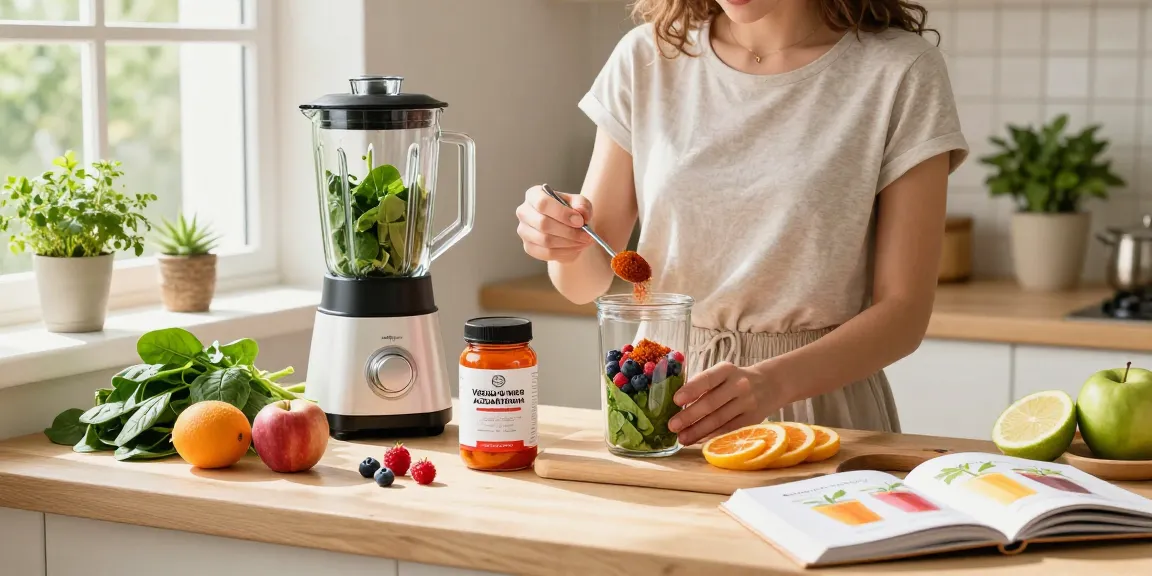
Incorporating astaxanthin into your daily diet can be straightforward. The supplement is available in capsules, soft gels, and powders, which can be easily added to smoothies or other foods. Determining the best method for incorporation will depend on personal dietary preferences and lifestyle.
Recommended Dosages for Different Needs
The standard recommended dosage of astaxanthin varies depending on individual health goals. For general health maintenance, a daily intake of 4 to 12 mg is commonly recommended. Athletes or those looking to enhance performance might benefit from higher doses, although they should consult with a healthcare provider before making significant adjustments.
Potential Side Effects and Safety Guidelines
Generally, astaxanthin is considered safe for most individuals when taken at recommended doses. However, some people may experience mild side effects such as stomach upset or a change in skin coloration. It is always advisable to consult healthcare professionals if there are any concerns regarding allergies or interactions with medications.
Future of Vegan Astaxanthin Supplements
Emerging Research and Developments
The future of vegan astaxanthin supplements looks promising, with ongoing research exploring its potential applications in various health fields, including cardiovascular health, skin care, and even mental health. Studies are continually being conducted to uncover new benefits and mechanisms of action, solidifying astaxanthin's place in the supplement market.
Predictions for the Vegan Supplement Market by 2026
By 2026, the market for vegan supplements, including astaxanthin, is expected to expand significantly. As more consumers adopt plant-based diets, the demand for effective and reliable vegan supplements will continue to grow. This trend will likely encourage innovation and the development of new products tailored to vegan consumers’ needs.
Expert Opinions on Vegan Health Trends
Health experts agree that the ongoing shift towards veganism is transforming the dietary supplement landscape. They advocate for products that are not only effective but also ethically sourced and environmentally friendly. In conclusion, the future of vegan astaxanthin supplements appears to be bright, with plenty of opportunities for growth, research, and consumer engagement.
What is Vegan Astaxanthin?
Vegan astaxanthin is a plant-based form of the carotenoid derived from algae. It provides the same potent antioxidant benefits as traditional sources without the use of animal products. This makes it suitable for individuals following a vegan lifestyle.
How Can Vegan Astaxanthin Benefit My Health?
Incorporating vegan astaxanthin into your routine can support your overall health through its powerful antioxidant properties, helping to combat oxidative stress, enhance skin health, and support muscle recovery.
Are There Any Side Effects to Consider?
While astaxanthin is generally safe, potential side effects may include mild gastrointestinal discomfort or skin pigmentation changes. It is always best to start with the lower recommended dosage and monitor your body's response.
Which Form of Astaxanthin is Best for Vegans?
For vegans, the best form of astaxanthin is typically a supplement derived from organic microalgae. Look for products that specify their source and ensure they meet vegan standards.
How Should I Take My Vegan Astaxanthin Supplement?
Vegan astaxanthin supplements can be taken with or without food. However, taking them with a meal that contains fat may help with the absorption of this fat-soluble nutrient.