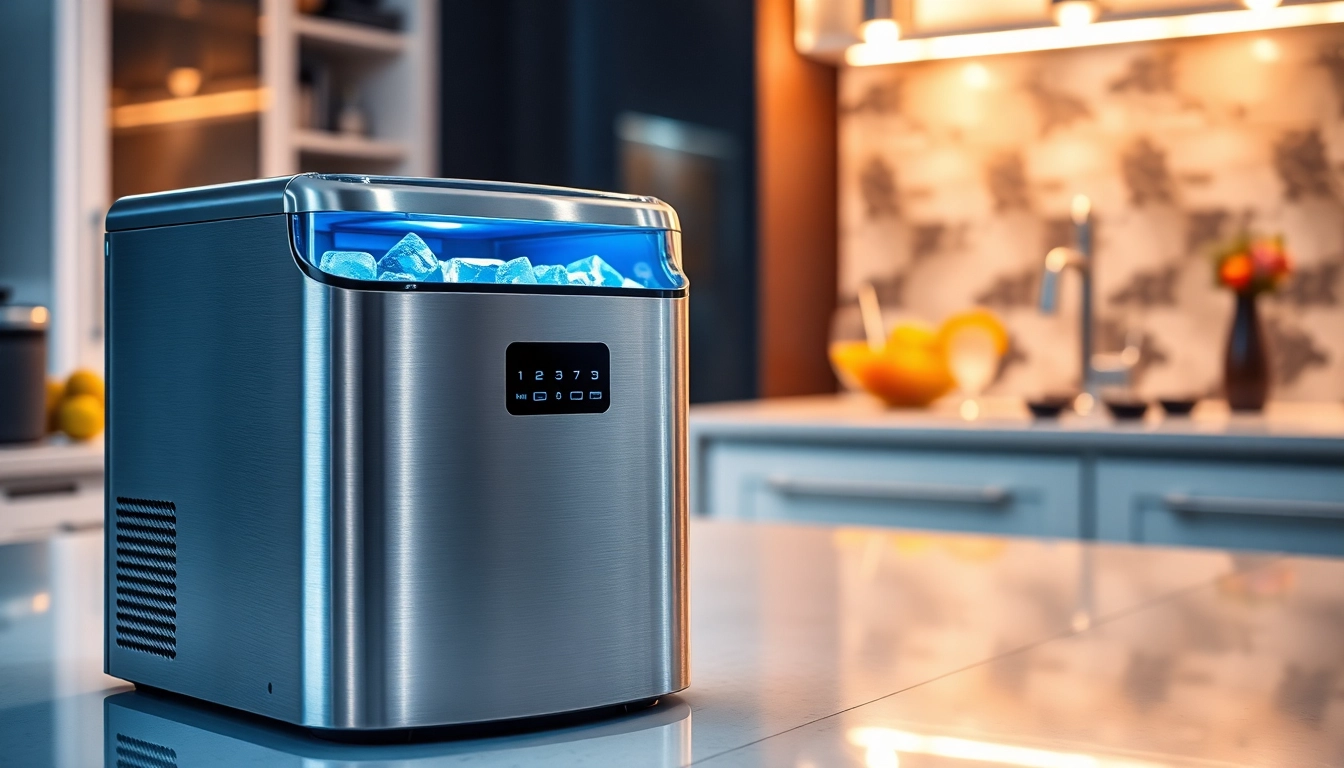
Understanding the Functionality of Ice Maker
What is an Ice Maker?
An ice maker is a device designed to produce ice automatically for a variety of uses—from cooling beverages to serving food in restaurants. Unlike traditional ice-making methods like ice trays, an ice maker provides a virtually endless supply of ice, catering to both casual home use and commercial needs.
How Ice Makers Work
Icemakers operate through a simple yet effective refrigeration process. Typically, water is taken from a reservoir, then chilled and transformed into ice via a refrigerant that circulates within the unit. When ice forms, it is either ejected into a storage bin or left in a mold to be used as needed. The process is automated, with sensors detecting when the ice reaches optimal thickness, ensuring a fresh supply without user intervention.
Different Types of Ice Makers
Ice makers come in various forms suited for different needs:
- Portable Ice Makers: These countertop devices are ideal for home use, producing small batches of ice quickly—perfect for parties or outdoor gatherings.
- Built-in Ice Makers: These are integrated into kitchen cabinetry and offer convenience and a steady supply but require professional installation.
- Commercial Ice Makers: Designed for restaurants and bars, these units produce large quantities of ice continuously, often featuring sophisticated mechanisms for quality control.
Key Benefits of Owning an Ice Maker
Convenience and Accessibility
One of the primary advantages of an ice maker is the convenience it offers. Instead of refilling ice trays or making last-minute trips to the store, you can have a reliable source of ice right in your kitchen. This accessibility is particularly beneficial for frequent entertainers or families who use ice regularly for beverages and meals.
Cost-Effectiveness Over Time
While the initial investment in an ice maker may seem significant, the long-term savings can be considerable. With an ice maker, you eliminate the need to purchase bags of ice or constantly restock ice trays. For those who frequently entertain or have high ice requirements, this can lead to significant cost savings over time.
Versatility for Different Uses
Ice makers aren’t just limited to making ice cubes. Different models can create various types of ice, including clear cubes, nuggets, and flakes. This versatility makes them suitable for different culinary needs, from casual drinks and cocktails to gourmet dining experiences—allowing chefs and hosts to elevate their presentations.
Essential Features to Consider in an Ice Maker
Storage Capacity
The storage capacity of an ice maker is a critical factor. Depending on your needs, models range from those that hold a few pounds of ice to those that can store upwards of 30 pounds, catering perfectly to both small households and larger gatherings.
Ice Production Speed
Different ice makers have varying production speeds, typically measured in pounds of ice produced per day. Some portable models can produce ice in as little as six minutes, whereas commercial units may churn out 300 pounds in a day. Evaluating your ice consumption can help you select the right unit.
Design and Aesthetics
Modern ice makers come in various designs and finishes, allowing them to blend seamlessly with your kitchen décor. Whether you prefer a sleek stainless steel finish or a more retro aesthetic, there are options available that can complement your style while providing functionality.
Maintenance Tips for Longevity of Ice Maker
Regular Cleaning and Care
Maintaining your ice maker is crucial for ensuring its longevity and efficiency. Regular cleaning helps prevent mineral buildup and contamination. It is recommended to clean your unit at least once a month; this involves emptying the ice bin, wiping down surfaces, and running a cleaning cycle according to the manufacturer’s instructions.
Troubleshooting Common Issues
Common issues with ice makers include insufficient ice production, unusual noises, or leaking water. Checking for simple fixes, such as ensuring the water reservoir is full, that the machine is level, and that it is clean can often solve these problems without the need for professional assistance.
Enhancing Performance
To maximize your ice maker’s output, make sure to use filtered water. High-quality water prevents scale buildup and maintains optimal ice quality. Additionally, placing your ice maker in a well-ventilated area can improve its efficiency and lifespan.
FAQs About Ice Makers
Is it worth buying an ice maker machine?
Yes, investing in an ice maker is worth it for convenience and saving on store-bought ice.
How much ice can an ice maker produce?
Ice makers vary, but many produce around 20-30 pounds daily, which is enough for most households.
Can ice makers make different kinds of ice?
Yes, some ice makers produce various types, such as nugget, cubes, and flakes to suit different needs.
How do I clean my ice maker?
Use a mild detergent and a soft cloth for regular cleanings, and vinegar for deep cleaning cycles to prevent buildup.
Are ice makers energy efficient?
Most modern ice makers are designed to be energy efficient, consuming less power than traditional ice-making methods.