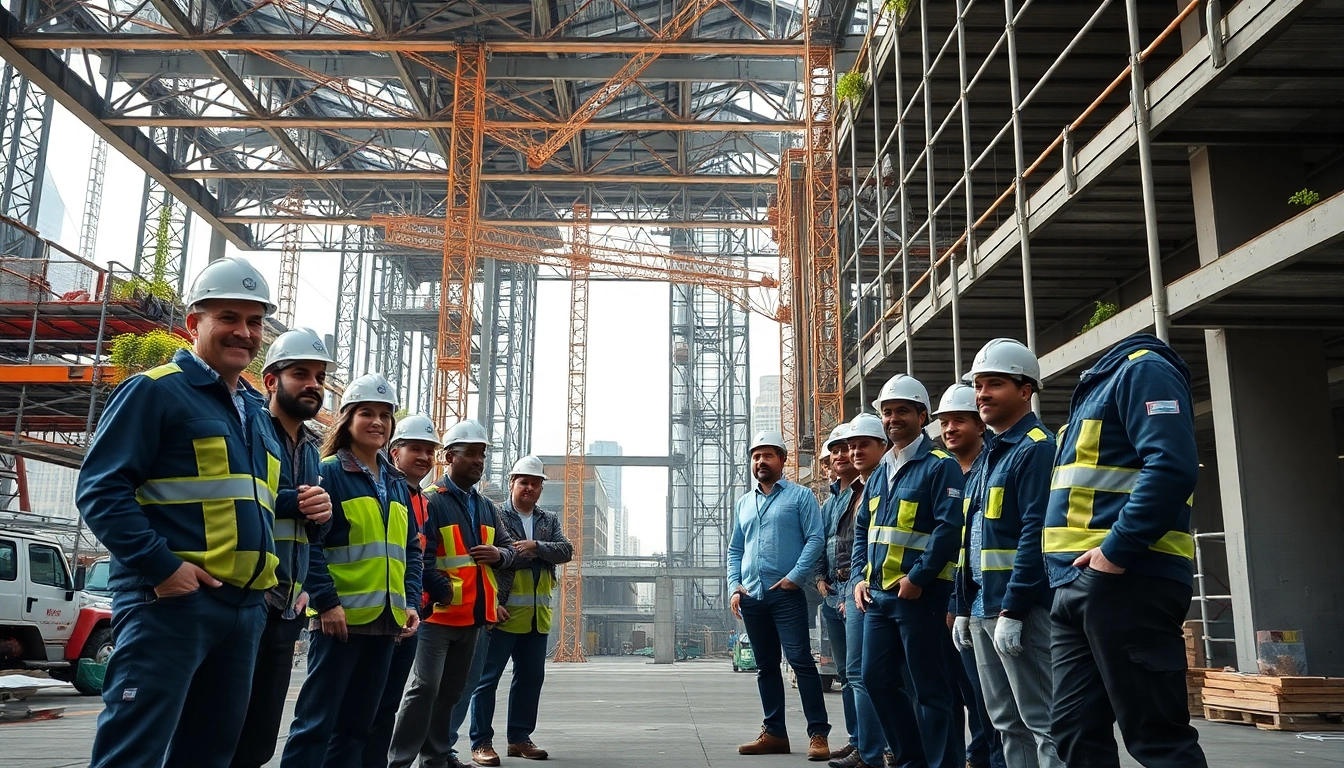
Understanding the Role of New York Commercial General Contractor
Definition and Responsibilities
A New York Commercial General Contractor serves as the primary party responsible for overseeing construction projects from inception through completion. This encompasses a broad spectrum of tasks, including the planning, budgeting, and coordination of various contractors and subcontractors involved in a project. They ensure that every aspect—from labor to materials—is adequately managed, leading to successful project delivery.
The responsibilities of a commercial general contractor extend beyond just managing construction. They also play a pivotal role in the early phases of a project, providing crucial insights during the design and planning stages. By evaluating project feasibility and providing cost estimations, they help clients make informed decisions that align with their budget and vision.
Key Skills Needed
To navigate the complexities of commercial construction, New York general contractors must possess a variety of skills. Key among these are:
- Project Management: The ability to plan, delegate, and oversee projects effectively to meet time and budget constraints.
- Communication: Strong communication skills are essential for negotiating contracts, liaising with clients, and managing communication among teams.
- Problem-Solving: The capacity to anticipate challenges and devise effective solutions to keep projects on track.
- Regulatory Knowledge: Familiarity with local building codes, legal requirements, and safety standards is crucial to ensure compliance throughout the construction process.
- Financial Acumen: Understanding budgeting, cost estimation, and financial management to maximize profitability while mitigating costs is vital.
Importance in Construction Projects
Commercial general contractors play a crucial role in the successful execution of construction projects. Their expertise ensures that projects are completed efficiently and within regulatory frameworks, saving clients both time and money. Furthermore, they serve as a central point of contact, which streamlines communication and enhances project visibility for stakeholders.
Their involvement often leads to higher-quality outcomes, as they leverage their industry experience to identify potential risks early and make adjustments as necessary. This proactive approach is essential in a fast-paced environment where project dynamics can shift rapidly.
Choosing the Right New York Commercial General Contractor
Identifying Project Needs
The first step in selecting the right general contractor is to clearly define and outline the project requirements. Whether a new building, renovation, or retrofitting work is needed, understanding the scope will guide the selection process. A detailed project brief should address aspects such as design expectations, timelines, budget constraints, and any special considerations unique to the project or location.
Evaluating Qualifications and Experience
Once project needs are identified, the next step is to evaluate candidates based on their qualifications and experience. Look for contractors with:
- Relevant Experience: Ensure they have previously managed similar projects successfully.
- Work Portfolio: Review their past work to gauge quality and style compatibility.
- Client References: Contacting former clients can provide insights into their reliability and performance.
Interviewing Potential Candidates
Interviews are crucial in assessing potential general contractors’ approaches and compatibility. This is the opportunity to ask about their processes, how they handle challenges, and their communication style. Ensure to inquire about their sub-contractor network and how they will manage the project timelines and budgets.
Essential Services Offered by New York Commercial General Contractors
Construction Management
Construction management is one of the core services provided by general contractors. They oversee every phase of construction, ensuring that all aspects align with the client’s vision. This includes managing schedules, coordinating between contractors, and ensuring compliance with safety protocols.
Bidding and Cost Estimation
General contractors are responsible for obtaining bids from subcontractors and suppliers. They must analyze these bids, negotiate prices, and present thorough cost estimates to clients. Accurate estimations help in budgeting and financing, and ultimately, determine the project's feasibility.
Project Supervision and Coordination
Throughout the construction process, a New York commercial general contractor is responsible for continuous project supervision. This includes coordinating resources, managing subcontractors, conducting regular progress meetings, and maintaining quality control. Their oversight ensures projects adhere to timelines and budgets while meeting quality standards.
Regulatory and Legal Considerations
Understanding Licenses and Permits
Every construction project in New York must adhere to local regulations, which often require obtaining specific licenses and permits. The general contractor must be knowledgeable about these requirements and handle the application processes to avoid legal complications down the line.
Compliance with Local Regulations
Compliance is more than just a legal requirement; it also reflects on the quality and safety of the construction output. A general contractor navigates through these myriad regulations, ensuring that all necessary building codes and industry standards are met.
Contract Negotiations
Negotiating contracts is an essential element of a commercial general contractor’s role. These contracts outline the scope of work, payment schedules, and obligations of all parties involved. Skillful negotiation helps protect the client’s interests while fostering a collaborative atmosphere with subcontractors.
Future Trends for New York Commercial General Contractors
Sustainable Construction Practices
With increasing environmental awareness, sustainable construction practices are becoming essential in the industry. General contractors are being called upon to implement eco-friendly building practices, use sustainable materials, and minimize waste during construction.
Technological Advancements in Construction
The adoption of technology within commercial construction is transforming projects at every stage. From Building Information Modeling (BIM) to project management software, leveraging technology helps improve efficiency, enhance visualization for clients, and streamline communication between stakeholders.
Adapting to Post-Pandemic Market Changes
The COVID-19 pandemic has shifted market needs and client expectations. As construction projects resume, general contractors must adapt by focusing on health and safety measures, considering remote collaboration tools, and integrating flexible project management strategies to navigate future uncertainties.
Frequently Asked Questions
What is a commercial general contractor?
A commercial general contractor is a professional who specializes in overseeing non-residential construction projects, managing everything from planning to completion.
How do I know if a general contractor is licensed?
In New York, you can verify a contractor's license through your local government’s licensing authority or by checking official state license databases.
What services do commercial general contractors provide?
They offer services such as project management, cost estimation, construction supervision, contract negotiation, and compliance with regulations.
How can I assess a contractor’s experience?
Review their portfolio, check references, and assess their familiarity with projects similar to yours in terms of scale and scope.
What should be included in a construction contract?
A construction contract should outline the project scope, payment schedule, timelines, responsibilities, and protocols for handling disputes or changes.