Understanding GRP Grating: An Overview
GRP (Glass Reinforced Plastic) grating is one of the most innovative alternatives available in the construction and industrial sectors. Comprising fiberglass, this versatile material promises durability, lightweight characteristics, and a range of applications that traditional materials often fall short in meeting. As a reliable GRP Grating Supplier, it’s essential to dive deeper into what GRP grating is, how it’s advantageous, and its practical uses across various industries.
What is GRP Grating?
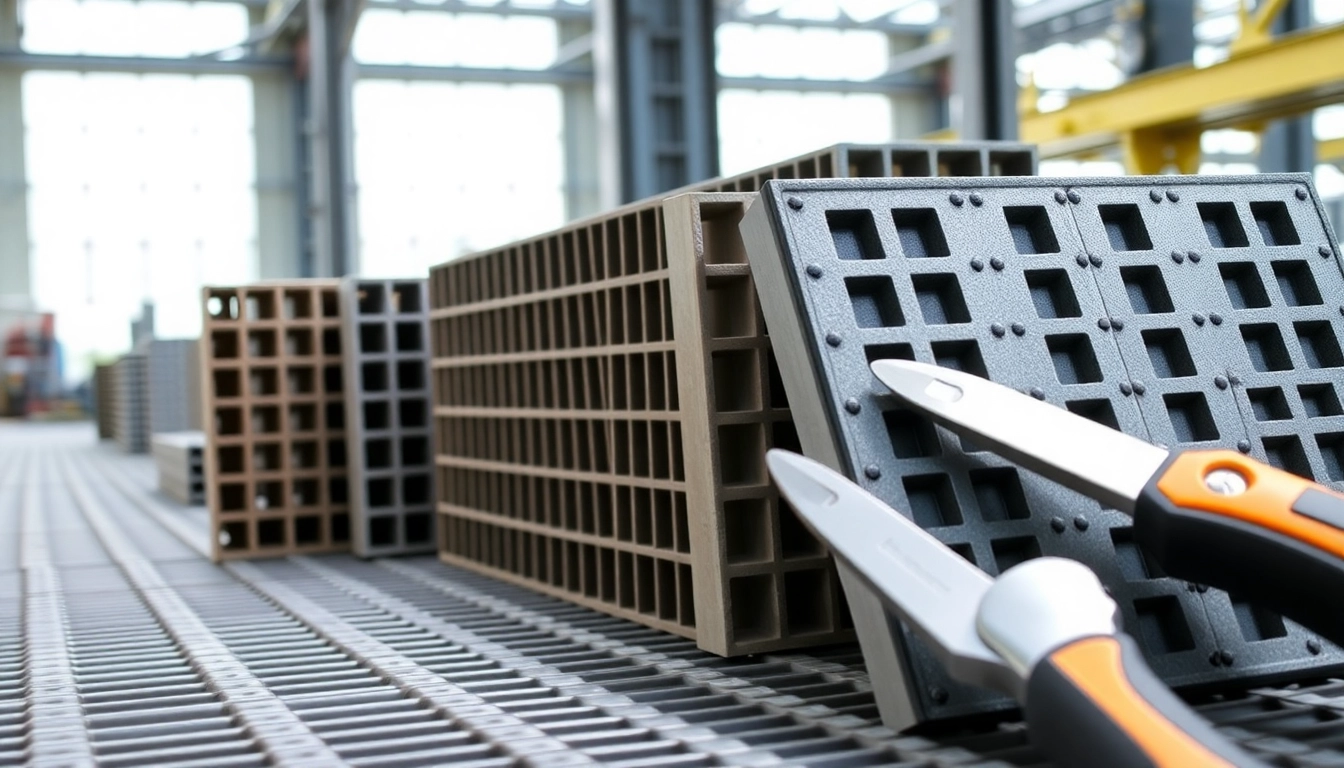
GRP grating refers to a type of composite flooring made from glass fibers and resin. Typically, it is manufactured by two primary methods: molded and pultruded. Molded gratings are produced by combining glass fibers with resin in a mold, resulting in a thick, robust structure. In contrast, pultruded gratings are sustained from continuous strands of glass fibers pulled through a resin bath, creating a uniform and lightweight grating solution.
Key Advantages of GRP Grating
GRP grating presents a multitude of benefits, setting it apart from conventional materials. These advantages include:
- Durability: GRP grating is highly resistant to corrosion, making it ideal for applications where exposure to chemicals and harsh environments is common.
- Lightweight: Compared to traditional metals, GRP grating is significantly lighter, facilitating easier transportation and installation.
- Slip resistance: The surface texture of GRP grating provides a slip-resistant finish, crucial for safety in industrial environments.
- Low maintenance: GRP grating requires minimal upkeep, unlike metal alternatives that need regular painting and maintenance to address rust and corrosion.
- Customizability: Manufacturers can tailor GRP grating products to fit specific project requirements, including size, load capacity, and color.
Common Applications in Various Industries
GRP grating is increasingly utilized across diverse sectors, demonstrating adaptability and effectiveness in various environments:
- Industrial Facilities: For walkways, platforms, and drainage covers.
- Marine Applications: In docks and offshore platforms where exposure to saltwater is prevalent.
- Chemical Processing: Due to its chemical resistance, GRP is perfect for environments dealing with corrosive substances.
- Rail and Transportation: Used in station flooring and maintenance areas.
- Construction: As an alternative to traditional building materials, particularly for flooring and structural applications.
Why Choose a GRP Grating Supplier?
When selecting a GRP grating supplier, it’s important to understand the quality and advantages offered beyond just the product itself. Several factors make having a reliable supplier essential, such as:
Quality Assurance in GRP Grating
Understanding the quality assurance processes employed by a GRP grating supplier is crucial. Top suppliers utilize rigorous testing methods to assess the load capacity, durability, and slip resistance of their products. This quality control ensures that end-users receive a product that meets or exceeds industry standards.
Comparative Cost Benefits with Traditional Materials
Although upfront costs for GRP grating may be higher than that of traditional materials, the long-term savings become evident over time. When considering maintenance, replacement cycles, and potential safety liabilities associated with metal grating, the overall cost of ownership for GRP grating decreases significantly. This makes it a favorable option for budget-conscious projects aiming for longevity and reliability.
Environmental Considerations for GRP Grating
Environmental sustainability is a key concern in modern construction. GRP grating contributes positively through its longevity and reduced frequency of replacement, ultimately minimizing waste. Furthermore, its lightweight nature leads to lower energy consumption during transportation, underscoring the benefits of using a GRP grating supplier focused on eco-friendly practices.
Installation Guide: Best Practices
Installing GRP grating involves meticulous planning and adherence to best practices to ensure a successful outcome. The following guide offers insights into the preparatory steps and installation process.
Preparation Before Installation
Before beginning the installation of GRP grating, it's essential to undertake thorough planning. Key considerations include:
- Site Assessment: Evaluate the installation site for structural integrity, environmental factors, and specific grating requirements.
- Planning Layout: Design the layout to optimize space and functionality, making sure that all components are accounted for.
- Gathering Tools and Materials: Assemble all necessary tools such as saws, drills, and safety equipment.
Step-by-Step Installation Process
The following are typical steps in the GRP grating installation process:
- Cutting: Measure and cut the GRP panels to fit the designated areas.
- Placement: Position the grating panels on the supporting structure, ensuring alignment.
- Securing: Use appropriate fasteners and support clips to firmly secure the panels in place, preventing any movement.
- Final Inspection: Once installed, conduct a thorough inspection to ensure stability and safety.
Common Challenges and Solutions
Like any installation process, using GRP grating may involve certain challenges. Common issues include:
- Correct Sizing: Ensuring the panels are accurately sized to avoid gaps.Solution: Take precise measurements before cutting.
- Secure Fastening: Improperly secured panels can be hazardous.Solution: Follow manufacturer guidelines for fasteners and spacing.
- Environmental Factors: Elements like moisture and temperature can affect installation.Solution: Schedule installation during favorable weather conditions.
Maintenance Tips for Longevity
To optimize the lifespan of GRP grating, regular maintenance is crucial. Below are recommended practices to ensure its longevity.
Regular Inspection and Care
Conduct routine inspections to identify any signs of damage or wear. Look for cracks, discoloration, or any loose fasteners that may compromise structural integrity. Addressing these issues promptly can prevent further deterioration and ensure safety.
Cleaning Techniques for GRP Grating
GRP grating is relatively easy to clean. Utilize a solution of warm water and mild detergent to scrub the surfaces. For deeper cleaning, a pressure washer can effectively remove stubborn debris while maintaining the structural properties of the grating.
When to Replace Your Grating
Determining when to replace GRP grating is vital for maintaining a safe environment. Signs that grating requires replacement include extensive cracking, significant color fading, and physical deformities. If more than 30% of the surface area shows these symptoms, consider replacing the grating to avoid safety hazards.
FAQs about GRP Grating
What is the lifespan of GRP grating?
GRP grating typically has a lifespan of 20 to 30 years, depending on environmental conditions and maintenance practices.
Can GRP grating be used in corrosive environments?
Yes, GRP grating is designed to withstand corrosive environments, making it an ideal choice for chemical plants and marine applications.
How does GRP grating compare to metal grating?
GRP grating is lighter, corrosion-resistant, and requires less maintenance than traditional metal grating, making it a superior choice in many applications.
Is GRP grating slip-resistant?
Yes, GRP grating is specifically engineered to be slip-resistant, enhancing safety in industrial and commercial environments.
Can GRP grating be customized for specific needs?
Absolutely! GRP grating can be molded or cut to fit specific dimensions, load capacities, and aesthetic preferences.