Understanding the Double Girder Bridge Crane
The double girder bridge crane is a versatile and essential piece of equipment used in many industrial applications. Its dual-girder design provides enhanced stability and lifting capacity, making it a preferred choice for handling heavy loads and complex materials. When exploring options, double girder bridge crane systems are renowned for their efficiency and reliability in various sectors. This article delves into the intricacies of double girder bridge cranes, their key components, operational benefits, and future trends shaping the industry.
What is a Double Girder Bridge Crane?
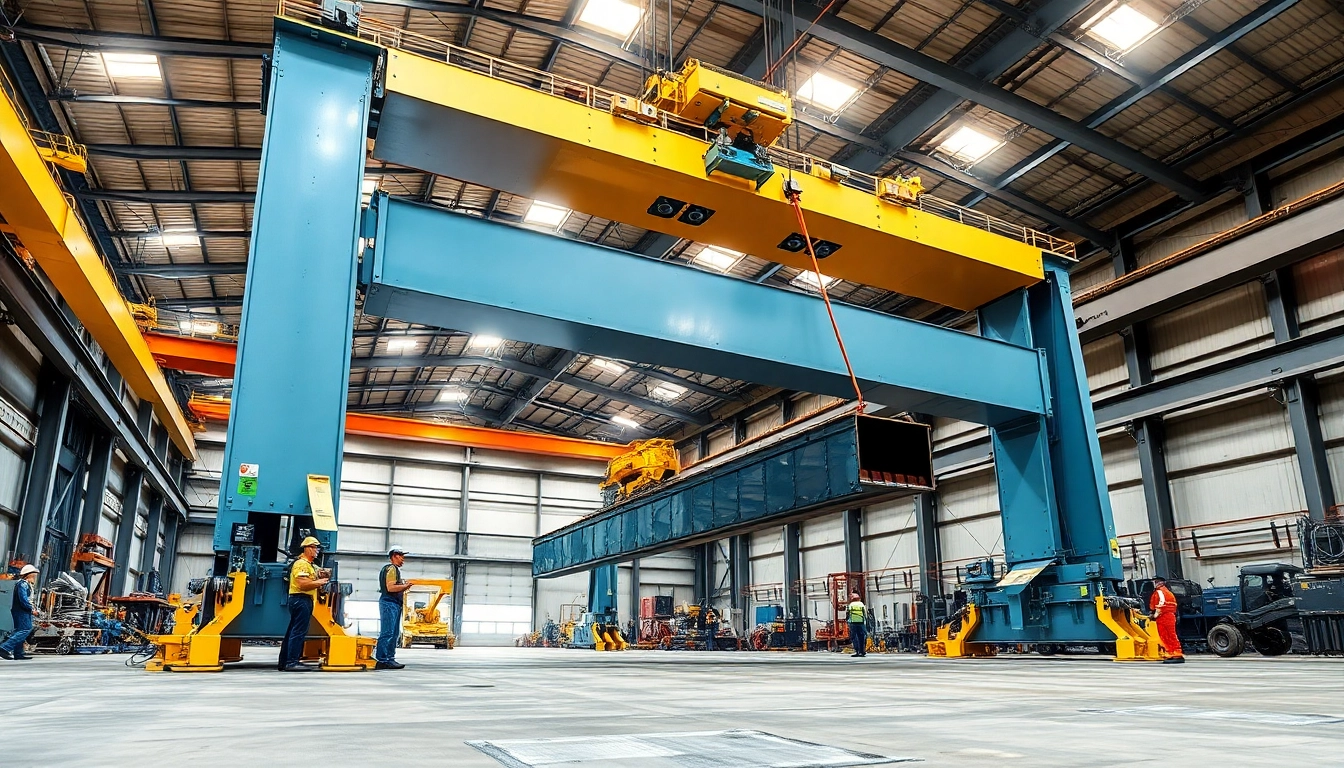
A double girder bridge crane is characterized by its two parallel girders that form the main structure of the crane. This configuration allows for the hoist to travel between the girders, providing a higher lifting height compared to single girder cranes. Generally, double girder cranes are used in environments where heavy lifting and precise maneuverability are required, typically involving capacity needs of more than 10 tons and spans of 60 feet or more.
Key Components and Mechanisms
The double girder bridge crane consists of several critical components:
- Main Girders: The primary structure that supports the entire system and carries the loads.
- End Trucks: Located at both ends of the girders, these allow for horizontal movement along the runway.
- Hoist Mechanism: This includes the lifting device that raises and lowers the load, typically mounted on the lower flange of the girders.
- Control System: This can be a manual or automated system that allows the operator to maneuver the crane safely and efficiently.
- Runways: These are installed on the structure within which the cranes operate, facilitating horizontal movement.
Benefits Over Single Girder Cranes
Double girder cranes offer several advantages over single girder designs, including:
- Increased Capacity: The design allows for higher loads, making them ideal for industrial applications requiring heavy lifting.
- Improved Stability: The two-girder system provides added support, reducing sway and potential load shifts.
- Higher Lifting Heights: With the hoist traveling between the girders, there's more vertical clearance for loads.
- Enhanced Durability: These cranes are built to withstand rigorous use, making them more suitable for demanding environments.
Applications of Double Girder Bridge Cranes
Common Industries Using Double Girder Cranes
Double girder bridge cranes find applications across various industries due to their robust design and versatility. Some sectors that commonly utilize these cranes include:
- Manufacturing: For assembly line operations and heavy machinery handling.
- Construction: In lifting heavy materials and equipment on-site.
- Aerospace: For the handling of large components and assemblies.
- Energy: In power generation plants for moving heavy components.
Case Studies: Success Stories in Heavy Lifting
Several companies have successfully integrated double girder bridge cranes into their operations, demonstrating their value:
- Steel Manufacturing Company: By implementing a double girder crane, a steel manufacturer increased its production efficiency by 30% due to the crane’s capacity for heavy load handling and faster cycle times.
- Automotive Assembly Line: An automotive manufacturer replaced single girder cranes with double girder models, allowing for better handling of larger vehicle components, leading to reduced assembly time and improved safety.
Choosing the Right Crane for Your Needs
Selecting the appropriate crane requires careful consideration of several factors:
- Load Capacity: Ensure the crane can handle your specific load requirements.
- Span and Lift Height: Assess the dimensions of your facility and the height to which loads must be lifted.
- Control System: Decide whether manual or automated controls are better for your operations.
- Work Environment: Consider the operating conditions, such as indoor versus outdoor use, and any environmental factors that may impact performance.
Operational Safety and Best Practices
Essential Safety Protocols for Crane Operations
Safety is paramount in crane operations. It is vital to adhere to established protocols to minimize risks:
- Regular Training: Ensure that all operators are trained and certified in crane operation.
- Load Testing: Perform routine load tests to verify the crane’s capacity and functionality.
- Safety Gear: Mandate the use of appropriate personal protective equipment (PPE) for all personnel working in crane operation areas.
Regular Maintenance and Inspection Guidelines
Regular maintenance and inspections are crucial for ensuring the safety and longevity of your double girder crane:
- Daily Inspections: Operators should conduct visual inspections before use, checking for any visible wear or damage.
- Monthly Maintenance: Comprehensive maintenance checks should be scheduled monthly to inspect all mechanical and electrical components.
- Annual Inspections: A professional third-party inspection should be performed annually to ensure compliance with safety standards.
Training Requirements for Operators
Operators must undergo rigorous training to ensure safe crane usage:
- Certification Programs: Enroll operators in certified training programs that cover all aspects of crane operation and safety compliance.
- Hands-on Training: Provide operators with practical, hands-on experience with the crane under supervision.
- Ongoing Education: Keep operators updated on new technologies and safety practices through continuous training sessions.
Future Trends in Crane Technology
Innovations in Double Girder Bridge Crane Design
The crane industry is witnessing a surge in technological advancements that enhance the efficiency and safety of double girder cranes:
- Smart Sensors: Incorporating sensors to monitor load and structural integrity in real-time helps prevent overloading and possible failures.
- Modular Designs: Future designs focus on modular components that can be easily replaced or upgraded, improving durability and maintenance efficiency.
The Role of Automation and AI in Crane Operations
Automation and artificial intelligence are rapidly transforming how cranes operate:
- Automated Controls: AI-driven controls enable more precise movements, reducing the risk of accidents and enhancing operational efficiency.
- Data Analytics: Analyzing operational data helps predict maintenance needs, reducing downtime and extending crane life.
Predictions for the Industry in 2025
By 2025, the double girder crane market is expected to evolve significantly due to:
- Increased Demand: Industries focusing on high efficiency and heavy lifting will continue to drive demand.
- Integration of Robotics: The integration of robotic systems with cranes is predicted to streamline processes and enhance productivity.
- Environmental Considerations: Eco-friendly designs and efficient power systems will become standard in new crane models.
Cost Considerations and Financing Options
Evaluating the Costs of Double Girder Bridge Cranes
The investment in a double girder bridge crane can vary significantly based on multiple factors:
- Specifications: Customization options for capacity, span, and features can significantly affect costs.
- Installation: Factor in the installation costs as they can add to the overall investment.
- Operation: Consider ongoing operational costs such as maintenance, staff training, and energy consumption.
Financing Solutions for Industry Investments
Financing can ease the burden of acquiring a double girder bridge crane. Possible options include:
- Leasing: Short-term leases allow companies to use cranes without the upfront investment.
- Loans: Specialized equipment loans can be obtained from financial institutions, providing capital for acquisition.
- Grants: Some government programs offer grants for businesses implementing new technologies that improve efficiency and safety.
Cost-Saving Strategies Through Efficient Operations
To enhance the return on investment in double girder cranes, consider implementing efficiency strategies:
- Regular Maintenance: Preventative maintenance can minimize costly repairs and extend crane lifespan.
- Staff Training: A well-trained staff can operate cranes more efficiently, reducing mishandling and associated costs.
- Utilization Monitoring: Tracking crane usage helps identify patterns that can lead to optimized scheduling and increased operational efficiency.