
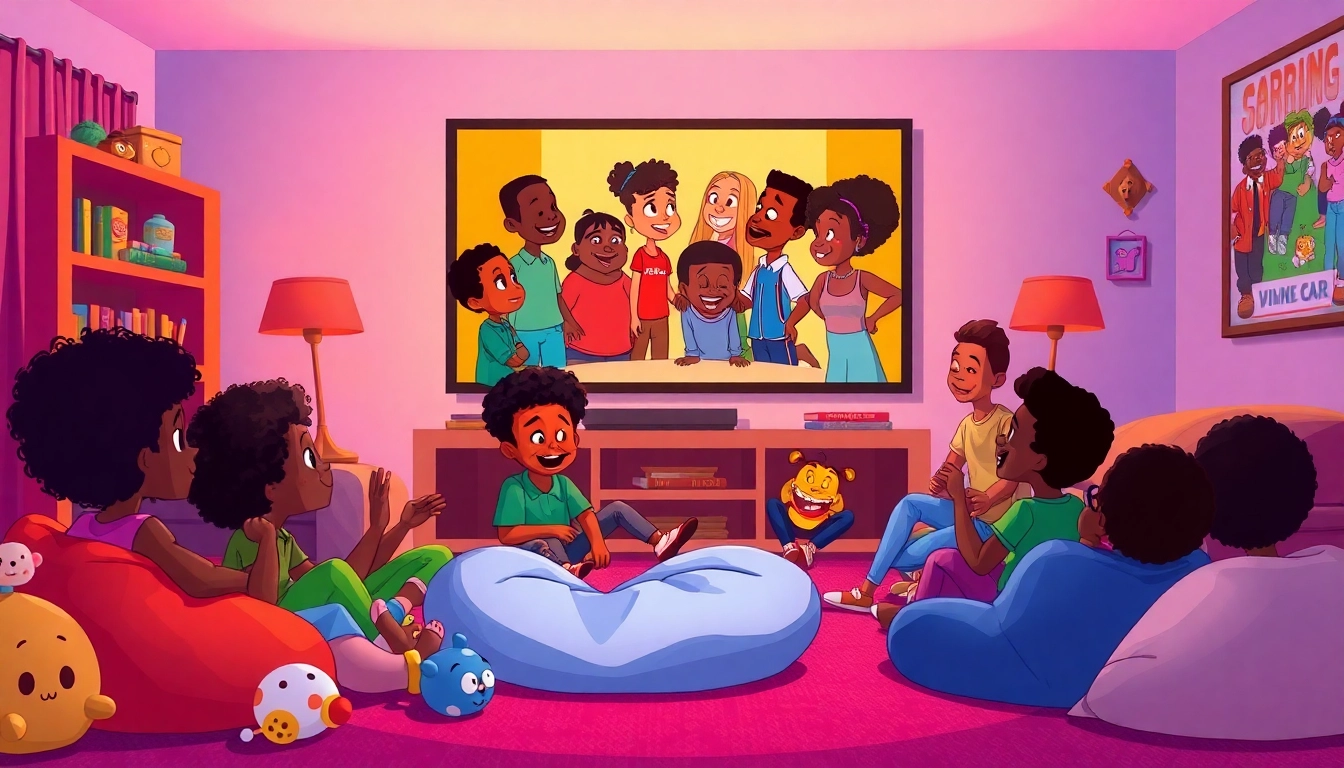
Understanding African American Cartoons
African American cartoons hold a unique position within the landscape of animation, celebrating culture, representation, and storytelling. With a rich history that stretches back to the early 20th century, these cartoons have not only entertained audiences but have also played a crucial role in shaping societal perceptions and narratives surrounding African American experiences. Today, as we explore the evolution of African American animation, we’ll delve into its historical roots, significance, and the emerging trends that are defining the future of this vibrant genre. For those interested in discovering a wealth of titles, African American Cartoons offers an array of content that showcases this genre’s depth and creativity.
History of African American Animation
The history of African American animation can be traced back to the early days of film and television. Notable early works include the creation of characters like Br’er Rabbit and the infamous Jungle Bunny, which reflect cultural narratives deeply rooted in African folklore. However, it wasn’t until shows like Fat Albert and the Cosby Kids and The Boondocks that African American representation began to be more pronounced and nuanced in mainstream media.
The 1970s and 1980s represented a significant turning point, with creators such as Bill Cosby and Aaron McGruder stepping into the spotlight. Their works often addressed social issues while also incorporating humor and adventure. The animation medium became a powerful tool for African American storytellers to comment on cultural experiences and societal challenges.
Significance of Representation in Cartoons
Representation matters immensely in animation as it helps to shape perceptions and foster understanding among diverse audiences. African American cartoons have served as a platform for African American voices, allowing these stories to reach a broader audience while also instilling pride within communities. The visibility of characters that reflect real-life experiences helps younger viewers navigate their identities and understand the importance of cultural heritage.
Furthermore, representation in cartoons can challenge stereotypes, providing a more accurate portrayal of the African American experience. Shows like The Proud Family and Craig of the Creek include relatable characters and storylines that resonate with children and families, promoting inclusivity and diversity in entertainment.
Current Trends in African American Animation
In 2026, several trends are shaping the landscape of African American animation. The growing importance of digital platforms allows for innovative storytelling that wasn’t possible in traditional media. Series are now being developed entirely for streaming, providing more opportunities for creative expression and diversity in storytelling.
Moreover, the rise of independent creators has led to a surge of original content that highlights various aspects of African American culture, from contemporary issues to historical narratives. Projects like Motown Magic and Young Justice have gained popularity, showcasing characters with rich backgrounds and dynamic story arcs that engage audiences of all ages.
Top African American Cartoons for Kids
When selecting cartoons for children, it is essential to consider shows that not only entertain but also educate and inspire. The following list highlights some must-see African American cartoons that families can enjoy together.
Must-See Shows for the Family
- Doc McStuffins – This series features a young African American girl who aspires to be a doctor. It inspires children to dream big and emphasizes the importance of caring for others.
- The Proud Family – A classic animated series that follows Penny Proud, a young girl navigating life with her family and friends while addressing important cultural themes.
- Craig of the Creek – This show captures the adventurous spirit of childhood, featuring a young African American boy and his friends as they explore their neighborhood and learn valuable life lessons.
- Big Mouth – While it deals with more mature themes, this series offers a humorous take on adolescence, featuring diverse characters and relatable situations.
- Steven Universe – Though primarily focused on themes of love and self-acceptance, the show is notable for its diverse representation of characters, including African American voices that add depth to the narrative.
Classic vs. Contemporary Picks
While classic shows like Fat Albert and the Cosby Kids and The Boondocks continue to hold a nostalgic place in many hearts, contemporary selections reflect the shifting landscape of animation. Today’s cartoons often prioritize diversity and inclusion, presenting African American stories in ways that resonate with modern audiences. Many of these new shows explore themes of friendship, community, and personal growth while simultaneously celebrating cultural heritage.
By juxtaposing classic and contemporary works, families can appreciate how far representation has come in animation while also understanding how these stories remain relevant across generations.
How Cartoons Help in Cultural Education
Cartoons have long been a medium not just for entertainment but also for education. African American cartoons introduce children to different cultural experiences and histories, fostering empathy and understanding from an early age. Shows like Afro Samurai provide historical context, while others teach valuable lessons about resilience and community.
Moreover, these programs promote discussions around race and identity, encouraging families to examine these topics in a safe and engaging environment. This educational aspect is crucial for developing socially aware individuals who can navigate a diverse world.
Impact of African American Cartoons on Society
The impact of African American cartoons extends well beyond entertainment; they shape cultural identity and challenge societal norms. As we analyze this influence, it becomes evident how cartoons have forged connections within and outside the African American community.
Shaping Cultural Identity Through Animation
Animation serves as a canvas for representing the nuances of African American culture. Characters like Huey and Riley Freeman from The Boondocks exemplify the complexity of cultural identity, addressing issues such as race relations and social justice through satire and humor. By portraying authentic experiences, these cartoons resonate with viewers and create a sense of belonging.
Furthermore, they allow for the exploration of cultural pride and the nuances of navigating different environments. This representation fosters a more profound understanding of cultural identity among viewers, particularly young audiences.
Addressing Stereotypes in Media
For decades, negative stereotypes have permeated media, often misrepresenting African American culture. African American cartoons have taken a firm stance against these caricatures, providing counter-narratives that celebrate individuality and community rather than conformity. Through humor, character development, and relatable storylines, these shows dismantle harmful stereotypes and promote positive representations of African Americans.
Influential Figures in Black Animation
Many notable figures have shaped the world of African American animation, paving the way for future creators. Artists like Genndy Tartakovsky, known for Samurai Jack, and writers like Chris Smith of The Boondocks have made significant contributions that highlight the richness of African American storytelling. Their innovative approaches, combined with a focus on cultural narratives, have set a precedent for success in the industry.
Today’s creators continue to draw inspiration from these pioneers, integrating their techniques and themes into new works that reflect the evolving landscape of animation. This continuity enriches the medium and strengthens the legacy of African American cartoons.
Creating Engaging Content with African American Themes
As the animation industry continues to evolve, best practices for storytelling become increasingly important. Creating engaging content with African American themes requires thoughtful consideration of cultural nuances and relatable characters.
Best Practices for Storytelling in Animation
When developing animated content, writers and producers should prioritize authenticity. Collaborating with cultural consultants can help ensure accurate representations that resonate with audiences. Moreover, stories should reflect diverse experiences, allowing for a variety of narratives that appeal to a broader spectrum of viewers.
Incorporating humor and adventure can also enhance engagement, making complex themes more accessible to younger audiences without undermining their significance.
Incorporating Cultural Nuances Effectively
Cultural nuances should be woven seamlessly into the narrative. These can manifest through the dialogue, character design, and story arcs, all contributing to building a complete and authentic world. Whether through traditional African folklore or contemporary urban experiences, the richness of African American culture should be celebrated in every aspect of animation.
By emphasizing these details, creators not only honor the community they represent but also enhance the viewing experience for all audiences.
Engaging Young Viewers Through Relatable Characters
Creating relatable characters is essential for fostering connections with young viewers. Characters like Penny Proud and Doc McStuffins embody traits that many children can identify with, such as friendship, curiosity, and resilience. These relatable qualities allow children to see themselves reflected on screen, which is vital for their self-esteem and cultural understanding.
Moreover, compelling character arcs that showcase personal growth and learning reinforce valuable life lessons and encourage viewers to embrace their identities as they navigate the world.
The Future of African American Cartoons
As we look toward 2026 and beyond, the future of African American cartoons appears bright, characterized by innovation and inclusivity. Emerging trends indicate a continued commitment to elevating diverse stories that resonate across audiences.
Emerging Trends for 2026 and Beyond
One prominent trend is the increasing utilization of technology in animation. Advances in digital animation tools allow for more vivid storytelling, enabling creators to explore new visual styles while pushing the boundaries of creativity. Furthermore, online streaming platforms provide outlets for independent creators, promoting a surge in original content that amplifies African American voices.
Technological Advances in Animation
The evolution of animation technology offers exciting possibilities for storytelling. Tools such as augmented reality (AR) and virtual reality (VR) are beginning to influence how stories are told, allowing audiences to immerse themselves in the narrative. This innovative approach can be particularly impactful in exploring African American history and culture in engaging and educational ways.
Fostering Inclusivity in Future Projects
As the demand for diverse content rises, fostering inclusivity in upcoming projects will be critical. This involves not only showcasing African American characters but also ensuring that behind-the-scenes roles are filled with individuals from diverse backgrounds. By prioritizing inclusivity, creators can develop richer, more nuanced stories that reflect the complexity of lived experiences.
In conclusion, African American cartoons represent a crucial segment of animation that continues to evolve and influence culture. By understanding their history and significance, we can appreciate how these works not only entertain but also educate and inspire future generations.