The Importance of Education in Today’s World
Education serves as the bedrock of individual growth, societal development, and economic progress. It shapes our understanding of the world and equips us with the skills necessary to navigate complex challenges. As we explore the multifaceted landscape of education, we recognize its critical role in fostering informed citizens capable of driving positive change. Through accessible and meaningful Education, societies can promote equity, innovation, and sustainable growth.
Defining Education and Its Role
At its core, education involves the transmission of knowledge, skills, values, and cultural norms from one generation to another. It occurs in various forms, including formal schooling, vocational training, and informal learning experiences. The role of education extends beyond the mere acquisition of facts; it plays a crucial role in the development of critical thinking, creativity, and social responsibility.
Education fosters personal growth, helping individuals build confidence and self-esteem while cultivating lifelong learning habits. It encourages collaboration, communication, and social interaction, equipping learners with essential soft skills vital in today’s interconnected world.
Social and Economic Impacts of Education
The implications of education reach far beyond the classroom. A well-educated populace contributes to increased economic productivity and growth. According to studies, nations with higher literacy rates and better educational systems experience lower poverty levels, improved health outcomes, and enhanced civic engagement.
In social contexts, education promotes equality and social mobility. It enables individuals from disadvantaged backgrounds to rise above their circumstances and access opportunities that may otherwise be unattainable. Furthermore, education is linked to greater community involvement, with educated citizens often being more active in social causes and political participation.
The Evolution of Education Systems
Historically, education systems have evolved in response to societal needs, technological advancements, and cultural shifts. From ancient civilizations, where education was primarily for the elite, to modern inclusive systems that strive for universal access, the journey of education has been transformative. The advent of the printing press, the industrial revolution, and digital technology has continuously reshaped how knowledge is disseminated and acquired.
Contemporary education systems are increasingly focused on fostering critical thinking and problem-solving skills, recognizing the importance of adaptability in a rapidly changing world. This evolution is evident in curricula that emphasize STEM (science, technology, engineering, and mathematics) as well as the arts, highlighting the need for a well-rounded educational experience.
Current Trends in Education
Technology Integration in Education
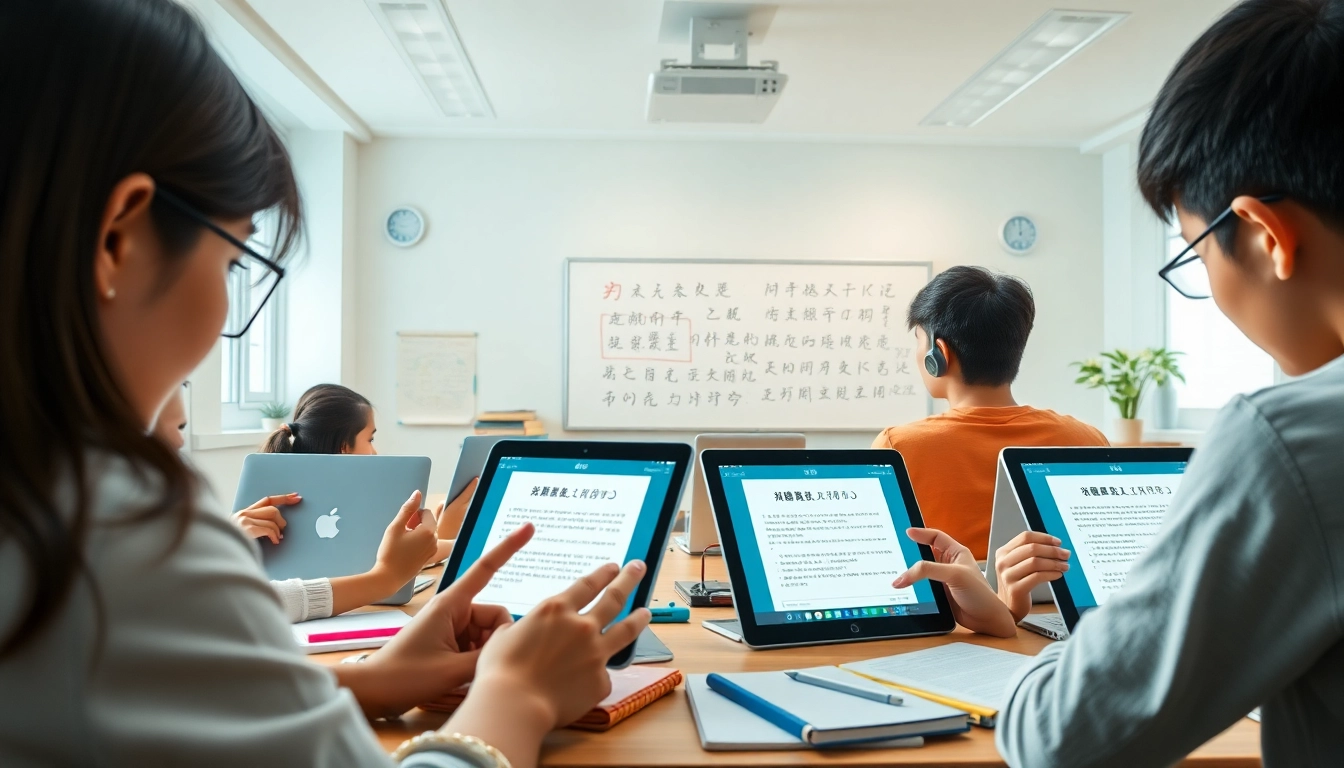
The integration of technology into education has revolutionized teaching and learning. Tools such as interactive whiteboards, learning management systems, and educational apps provide dynamic learning opportunities and cater to diverse learning styles. Online platforms allow access to a wealth of information and resources, enabling learners to pursue knowledge beyond traditional boundaries.
Moreover, educational technologies facilitate collaboration and communication among students and teachers, fostering a more engaging learning environment. By utilizing virtual classrooms and online discussion forums, education can be more inclusive, accommodating various needs and schedules.
Personalized Learning Experiences
Personalized learning is emerging as a significant trend, emphasizing tailored educational experiences that meet individual student needs. This approach considers a learner’s unique strengths, weaknesses, and interests, allowing for a customized learning trajectory. Techniques like adaptive learning technologies and differentiated instruction provide learners with the tools and resources necessary for their success.
The benefits of personalized learning include increased motivation and better retention of information, as students are more likely to engage with material that resonates with their personal experiences and aspirations.
Global Education Initiatives
Across the globe, various initiatives aim to improve education quality and accessibility. Organizations and governments are collaborating to develop programs that address educational disparities. The United Nations Sustainable Development Goal 4 aims to ensure inclusive and equitable quality education for all and promote lifelong learning opportunities.
Efforts to enhance education in developing nations involve investments in teacher training, infrastructure, and learning materials. In countries facing challenges like conflict and poverty, innovative methods such as mobile learning and community-based education programs are emerging as viable solutions.
Challenges Facing the Education System
Access and Equity in Education
Despite advancements, numerous challenges remain within educational systems worldwide. Access to quality education remains uneven, with socioeconomic disparities creating significant barriers. In many areas, particularly in underprivileged communities, students do not have adequate access to resources such as qualified teachers, facilities, and technology.
Equity in education is critical for creating a fair society. Addressing this requires targeted interventions aimed at marginalized groups, including low-income families, refugees, and students with disabilities. Policies that promote inclusive education practices and equitable resource distribution are essential for ensuring that all learners have the opportunity to succeed.
Funding and Resource Allocation
Funding remains a contentious issue in education. Many educational institutions struggle with inadequate financial support, leading to overcrowded classrooms, outdated materials, and limited extracurricular options. Disparities in funding often reflect broader economic inequalities, affecting students’ learning experiences and outcomes.
To address funding issues, advocacy for equitable resource allocation is paramount. Engaging stakeholders, including parents, educators, and community members, can help drive demand for increased investment in public education, ensuring that all students have access to high-quality learning environments.
Teacher Training and Support
Teachers play a pivotal role in the success of education systems. However, many educators face challenges related to insufficient training, professional development opportunities, and classroom support. Effective teacher training programs are essential for equipping educators with the skills and methodologies needed to foster engaging and effective learning environments.
Investing in ongoing professional development and support not only enriches teachers’ skills but also enhances student outcomes. Educators who receive adequate support are better prepared to navigate the complexities of diverse classrooms, address varying student needs, and implement innovative teaching strategies.
Best Practices for Effective Education
Collaborative Learning Techniques
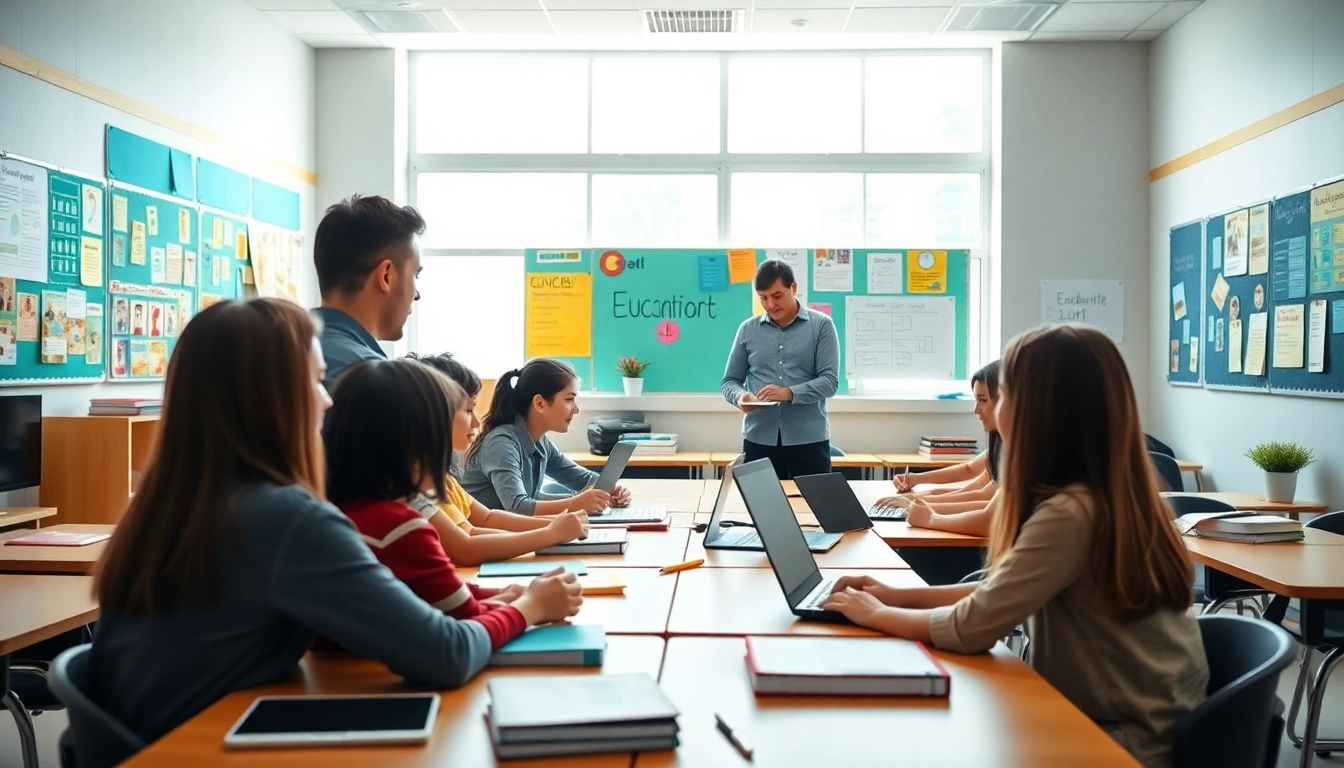
To enhance the educational experience, collaborative learning techniques have gained traction as powerful instructional strategies. By encouraging teamwork and peer interaction, these methods foster critical thinking, communication, and problem-solving skills. Implementing group projects, peer reviews, and collaborative discussions can create a supportive learning environment where students are motivated to engage with the content deeply.
Research has shown that collaborative learning not only enriches the learning experience but also leads to improved academic outcomes. Schools and educators are encouraged to incorporate these techniques into their curricula, promoting a culture of cooperation and shared responsibility among students.
Assessment and Feedback Methods
In the pursuit of educational excellence, effective assessment and feedback mechanisms are paramount. Traditional assessment methods, such as standardized testing, can fail to capture the full spectrum of student learning. Alternative assessments, including portfolio assessments, project-based evaluations, and formative assessments, provide a more comprehensive view of learner progress.
Utilizing timely and constructive feedback fosters a growth mindset, encouraging students to view challenges as opportunities for improvement. Educators must prioritize creating an environment where feedback is constructive and collaborative, enabling students to take charge of their learning journey.
Curriculum Design and Implementation
The design and implementation of curricula determine the effectiveness of educational programs. A well-structured curriculum should balance academic rigor with real-world relevance, preparing students for the demands of the future. Engaging curriculum design involves collaboration among educators, industry experts, and community stakeholders to ensure relevance and responsiveness.
Moreover, incorporating interdisciplinary approaches creates opportunities for students to connect concepts across subjects, fostering a deeper understanding of knowledge. Regular evaluation and adjustment of curricula, based on student feedback and outcomes, are essential for continual improvement.
The Future of Education
Innovative Teaching Methods
As technology continues to evolve, so too must teaching methods. Innovative approaches that leverage technology and pedagogical shifts are essential for keeping students engaged and prepared for the future. Techniques such as flipped classrooms, gamification, and experiential learning offer opportunities for interactive and immersive learning experiences.
Educators are encouraged to embrace these innovative teaching methods, using them to inspire creativity and foster a love for learning. By adapting to the changing educational landscape, teachers can create dynamic classroom environments that cultivate curiosity and critical skills.
The Role of Lifelong Learning
The concept of lifelong learning has gained prominence in the current educational discourse, recognizing that education does not end with formal schooling. In a fast-paced world, continuous learning is vital for personal and professional development. Encouraging individuals to pursue learning opportunities throughout their lives—whether through formal education, online courses, or self-directed study—can enhance adaptability and foster resilience in the workforce.
Lifelong learning promotes not only individual growth but also societal advancement, contributing to a well-informed and capable citizenry that can effectively navigate future challenges. Education systems must embrace and promote this concept, preparing individuals to be proactive learners and engaged contributors.
Policy Recommendations for Improvement
Government policymakers play a crucial role in shaping the future of education. To address current challenges and enhance educational outcomes, several key recommendations emerge. First, increasing funding for education and ensuring equitable resource allocation can bridge gaps and support marginalized communities. Second, investing in teacher training and ongoing professional development can empower educators to implement innovative teaching practices.
Moreover, developing policies that promote inclusive education and encourage collaboration between educational institutions and communities can enhance the educational landscape. Policymakers should also focus on assessing and refining curricula to ensure relevance and responsiveness to the needs of learners and the job market.
Education is the foundation upon which societies build their future. By addressing existing challenges and embracing innovative practices, we can collectively enhance the quality and accessibility of education for all. It is through these concerted efforts that we can create an environment conducive to learning, growth, and empowerment, paving the way for generations to come.