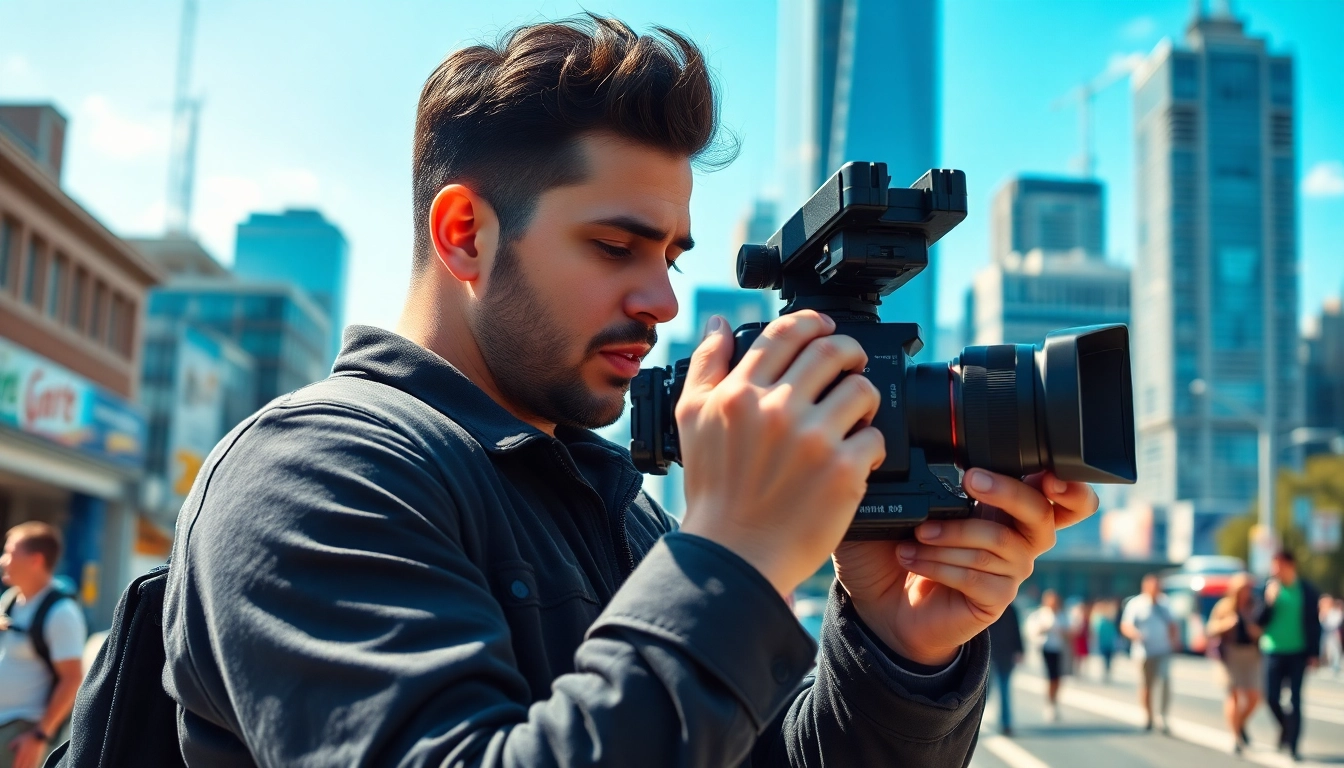
Understanding the Impact of Cinematic Video Production
Cinematic video production has emerged as a transformative element in marketing and storytelling. Its unique ability to blend visual artistry with compelling narratives captivates audiences like no other medium. With the rise of digital platforms, the demand for high-quality content has never been higher, driving brands to invest in cinematic video production to effectively engage their target markets. This engaging form of storytelling not only aids in creating memorable content but also enhances brand identity, making it vital for businesses striving to stand out in today’s crowded marketplace.
What is Cinematic Video Production?
Cinematic video production refers to the art of crafting visually stunning videos using advanced filmmaking techniques typically associated with films. This approach goes beyond traditional video production by emphasizing aesthetic elements, storytelling methodologies, and emotional resonance. The process involves meticulous planning, creative scripting, and high-end equipment to deliver an immersive viewer experience. Unlike standard videos, cinematic productions often utilize specialized cameras, advanced editing software, and lighting techniques that together create a motion picture quality.
Benefits of Cinematic Video Production for Brands
Investing in cinematic video production brings numerous advantages for brands. Firstly, it enhances storytelling capabilities, enabling brands to connect emotionally with their audience. Secondly, it increases viewer engagement and retention; featuring stunning visuals and relatable narratives can make content shareable, extending its reach. Moreover, videos that use cinematic techniques can elicit emotions more effectively, leading to increased conversion rates. Lastly, such productions contribute to building a brand’s authority and credibility, establishing a strong presence in the digital landscape. Brands that leverage cinematic video production can significantly differentiate themselves from competitors.
Key Differences from Traditional Production
The distinction between cinematic and traditional video production lies in various aspects. Cinematic video production places a much stronger emphasis on visual storytelling, using techniques like dramatic lighting, composition, and color grading. In contrast, traditional production often prioritizes straightforward informational content. Additionally, cinematic productions frequently involve deeper pre-production planning, including scriptwriting, storyboarding, and location scouting, in order to achieve the intended emotional impact. Moreover, cinematic videos often adopt a slower pacing, allowing for greater artistic expression compared to the fast-paced nature of traditional videos.
Essential Elements of Effective Cinematic Video Production
Storytelling Techniques in Cinematic Video Production
Storytelling is at the heart of cinematic video production. To effectively convey a message, producers must establish a clear narrative structure that engages viewers from start to finish. Various storytelling techniques, including character development, conflict resolution, and thematic depth, can be applied to enhance viewer connection. Incorporating elements such as dramatic arcs and relatable characters fosters empathy, which is essential for audience engagement. Additionally, utilizing a visual storytelling approach through imagery, action, and dialogue can convey complex messages succinctly and powerfully.
Visual Aesthetics: Crafting Stunning Imagery
The visual aspect of cinematic video production is crucial for establishing mood and tone. Directors and cinematographers must pay close attention to various visual elements such as framing, lighting, color palettes, and camera movement. A well-framed shot can create focus and draw attention to significant details, while lighting can evoke particular emotions. Color grading also plays a vital role in sustaining consistency and enhancing visual narratives. Effective use of these elements contributes to the overall reception of the video while fostering a professional appearance that sets cinematic productions apart.
Sound Design in Cinematic Video Production
Sound design is another essential element that enriches cinematic video production. The integration of music, sound effects, and dialogue can greatly influence how audiences perceive the narrative. Sound scoring helps to accentuate emotions or suspense, guiding viewers through the story. Ambience, foley effects, and selective silence can also create a realistic auditory experience that complements the visuals. Ensuring high-quality audio recording and mixing techniques is vital in delivering a polished final product that resonates with audiences.
Planning Your Cinematic Video Production
Pre-Production: Concepts and Scripts
Pre-production is a critical phase in cinematic video production that involves thorough planning and organization. This stage begins with brainstorming and developing concepts that align with brand objectives. Creating a compelling script or screenplay is essential, as it outlines the intended message, character arcs, and overall flow of the narrative. Furthermore, storyboarding helps visualize each scene, ensuring that all team members share a common understanding of the production vision. A well-structured pre-production process sets the foundation for a successful shoot.
Budgeting for Cinematic Video Production
Effective budgeting directly influences the quality of cinematic video production. Producers need to consider various costs, including equipment rentals, crew salaries, location fees, permits, and post-production expenses. Drafting a comprehensive budget allows producers to allocate resources efficiently and avoid overspending. It's essential to maintain flexibility within the budget to accommodate unforeseen expenses, ensuring that the cinematic vision is realized without compromise. Additionally, investing in high-quality professionals and equipment is often a worthwhile expenditure that can elevate the production quality.
Selecting the Right Team and Equipment
Choosing the appropriate team members and equipment is paramount for achieving a successful cinematic production. Producers should assemble a skilled crew, including directors, cinematographers, sound designers, and editors, who share a collective vision. Selecting the right equipment—such as cameras, lenses, lighting setups, and microphones—can greatly influence the production's quality. Utilizing professional-grade gear enhances visuals and sound, contributing to an overall polished product. Collaborating with industry professionals helps streamline processes and ensures that the intended artistic vision is cohesive throughout production.
Executing a Successful Cinematic Video Production
On-Set Best Practices for Cinematic Video Production
On-set best practices are vital in ensuring smooth operations during filming. Effective communication among team members fosters a collaborative and productive atmosphere. Daily meetings or briefings can help clarify roles, schedules, and shot lists to avoid confusion. Additionally, implementing strict time management and adhering to the shooting schedule are crucial for maximizing efficiency. Maintaining equipment properly and preparing for potential challenges, such as weather changes or technical failures, can also prevent disruptions and enhance productivity.
Directing Techniques for Captivating Visuals
A director plays a significant role in shaping the visual narrative of a cinematic production. Effective directing techniques include conveying clear instructions to actors, establishing shot compositions, and guiding the overall tone of the video. Creating a comfortable atmosphere for actors encourages organic performances, enhancing authenticity. Directing also involves adapting to on-set dynamics, making impromptu decisions when necessary, and utilizing available resources creatively. An engaging visual experience relies heavily on a director’s ability to orchestrate all elements harmoniously.
Filming the Perfect Shot: Tips and Tricks
Filming the perfect shot involves a combination of technical knowledge and artistic vision. Familiarity with camera settings, lenses, and angles is essential to achieving the desired effect. Experimenting with different perspectives can reveal unique insights into the narrative. Utilizing techniques such as rule of thirds, depth of field, and dynamic movement can elevate shot composition. Moreover, paying attention to lighting and sound during filming ensures that the final product maintains a professional quality, creating a seamless viewing experience for the audience.
Measuring Success in Cinematic Video Production
Metrics to Evaluate Your Cinematic Video Production
Measuring the success of a cinematic video production involves analyzing specific key performance indicators (KPIs). Metrics such as view count, watch time, and click-through rates provide insights into audience engagement. Additionally, sentiment analysis through audience feedback and comments reflects viewers' emotional responses. Evaluating conversion rates also highlights the effectiveness of videos in achieving marketing goals. Continuous tracking of these metrics enables brands to assess the impact of their cinematic productions accurately.
Analyzing Audience Engagement
Understanding audience engagement is crucial for refining video strategies. Tools such as heat maps and interaction analytics offer insights into viewer behavior, allowing brands to identify which sections of content resonate most. Monitoring social media shares, comments, and overall audience sentiment can reveal how well the video aligns with target demographics. Brands should experiment with diverse formats and styles and leverage audience feedback to create refined, engaging content in future productions.
Adjusting Strategies Based on Feedback
Feedback-driven strategies are essential for continual improvement in cinematic video production. Analyzing audience data and comments should inform adjustments during subsequent projects. Incorporating feedback allows brands to identify areas for enhancement, whether it’s adjusting pacing, refining visuals, or evolving narratives. Iterative improvements based on audience response help strengthens brand propositions and builds stronger connections with the audience over time.
Frequently Asked Questions (FAQs)
1. What is the main goal of cinematic video production?
The primary goal of cinematic video production is to engage viewers through high-quality storytelling and visuals, creating a stronger emotional connection with the audience.
2. How is cinematic video production different from traditional video?
Cinematic video production emphasizes artistic elements like storytelling, visuals, and sound design, while traditional video is often more straightforward and informational.
3. Why is sound design important in cinematic productions?
Sound design enhances the emotional impact of a video, guiding viewer perception and adding realism to the visual narrative through music, effects, and dialogue.
4. How can I measure the success of my cinematic video?
Success can be measured through metrics like view counts, audience engagement, conversion rates, and feedback, offering insights into viewer resonance and effectiveness.
5. What are key elements to focus on during pre-production?
Key elements in pre-production include concept development, scriptwriting, storyboarding, budgeting, and assembling a competent crew and equipment.