
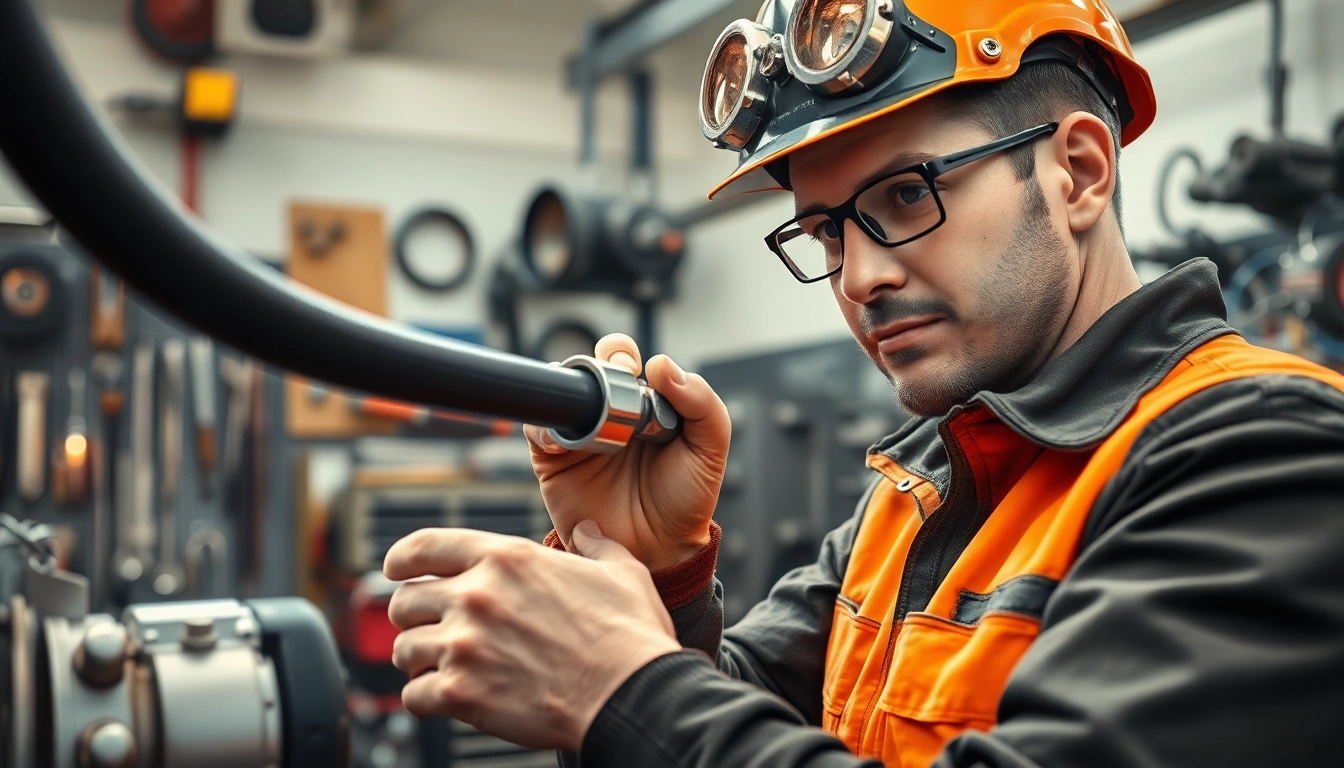
Understanding Hydraulic Hose Repair
What is Hydraulic Hose Repair?
Hydraulic hose repair is a critical maintenance process aimed at restoring functionality to hydraulic systems that have experienced hose failures. Hydraulic hoses are vital components that transport fluids under high pressure, and when they malfunction, they can lead to system breakdowns. This repair process can involve sealing leaks, replacing damaged sections, or completely fabricating new hoses to fit existing hydraulic systems. Timely and effective hydraulic hose repair ensures machinery operates efficiently, minimizing downtime and potential operational hazards.
The Importance of Timely Repairs
Delaying hydraulic hose repairs can have dire consequences. When a hydraulic hose leaks or bursts, it not only disrupts machinery performance but can also pose safety risks to personnel nearby. Timely repairs help prevent fluid loss, which can lead to system inefficiencies and increased energy consumption. Moreover, abrupt failures often cause extensive damage to other hydraulic components, resulting in expensive repairs and prolonged downtime. Prioritizing hydraulic hose maintenance is crucial for operational reliability and safety.
Common Issues with Hydraulic Hoses
Several issues can arise with hydraulic hoses, including:
- Cracks and Wear: Over time, hoses can become brittle due to UV exposure or chemical interactions.
- Leaks: These often occur at connection points or due to physical damage.
- Loose Fittings: Connection points can loosen over time, causing operational failure.
- Blockages: Contaminants can accumulate inside hoses, impairing fluid flow.
Tools and Equipment for Hydraulic Hose Repair
Essential Tools You’ll Need
Having the right tools at your disposal is essential for effective hydraulic hose repair. Key tools include:
- Hose Cutters: For cutting hoses cleanly and accurately.
- Crimpers: Used to attach fittings securely to the hose ends.
- Wrenches: For tightening and loosening connections.
- Pressure Gauges: To monitor system pressure before and after repairs.
Choosing the Right Replacement Hoses
Selecting the correct replacement hose is critical for maintaining hydraulic system integrity. Factors to consider include:
- Pressure Rating: Ensure the new hose can handle the system’s operational pressures.
- Material Compatibility: Hoses should be compatible with the fluids being transported to prevent degradation.
- Temperature Resistance: Consider the operating temperature range to prevent hose failure.
- Length and Diameter: Accurate measurement is necessary to ensure a proper fit in the hydraulic system.
Safety Equipment for Hydraulic Repairs
Safety is paramount during hydraulic hose repairs. Required safety equipment includes:
- Safety Glasses: To protect eyes from hydraulic fluid spray.
- Gloves: To shield hands from sharp hose ends and hot surfaces.
- Hearing Protection: If working in noisy environments.
- Boots: Steel-toed boots can protect feet from heavy components.
Steps to Repair a Hydraulic Hose
Locating the Damage
The first step in repairing a hydraulic hose is identifying the source of the problem. This may involve:
- Visually inspecting the hose for visible cracks or wear.
- Checking for leaks at connection points.
- Using pressure gauges to monitor fluctuations in the system.
Preparing for the Repair
Once damage is identified, the following preparations should be made:
- Shut down the machinery and relieve all pressure from the system.
- Purge fluid from the hose to prevent spills.
- Gather necessary tools and personal protective equipment.
Applying the Repair Techniques
After preparation, you can proceed with the repair. Depending on the damage, this may involve:
- Using hose clamps to seal small leaks.
- Replacing damaged sections by cutting out the faulty area and reattaching new fittings.
- Using crimping tools to secure fittings on replacement hoses.
DIY vs. Professional Hydraulic Hose Repair
When to Attempt DIY Repairs
DIY repairs can be feasible for small leaks or minor damages, especially if the user has experience and the right tools. However, complexity and pressure ratings should guide this decision. For light-duty operations, careful attention to detail can allow safe and effective repairs.
Benefits of Professional Services
For more complex or high-pressure systems, professional hydraulic hose repair services are often more prudent. Benefits include:
- Expertise: Technicians can diagnose problems efficiently and accurately.
- Safety: Professionals adhere to safety standards, reducing risk.
- Warranty: Many repair services provide warranties on their work.
Cost Considerations and Estimates
The cost of hydraulic hose repair varies based on several factors, including hose type, repair complexity, and labor rates. Typical estimates may range from a few dollars for simple DIY fixes to hundreds for comprehensive repairs by professionals. Regular maintenance can reduce overall costs by preventing severe failures.
Maintaining Hydraulic Hoses for Longevity
Regular Inspection and Maintenance Tips
To prolong the lifespan of hydraulic hoses, implement a routine inspection schedule. Regularly check for:
- Signs of wear or leaks
- Properly secured fittings
- Cleanliness of connection points
Signs It’s Time for Replacement
Knowing when to replace a hose is crucial. Consider replacement if you observe:
- Severe cracking or fraying
- Frequent leaks despite repairs
- Hoses that are over five years old in high-use applications
Best Practices to Prevent Failures
Preventative measures can significantly reduce the likelihood of hose failures. Best practices include:
- Using hoses that meet or exceed application specifications.
- Storing hoses correctly to avoid UV and chemical exposure.
- Avoiding excessive bending or twisting that can strain hoses.
FAQs About Hydraulic Hose Repair
What causes hydraulic hoses to fail?
Hydraulic hoses can fail due to wear and tear, exposure to extreme temperatures, improper installation, or physical damage from external elements.
How often should I inspect my hydraulic hoses?
It’s advisable to inspect hydraulic hoses at least every three months, or more frequently in high-use environments.
Can I repair a hydraulic hose myself?
Yes, minor repairs can be done with the right tools and knowledge, but complex issues may require professional help.
How much does hydraulic hose repair typically cost?
Prices vary widely, averaging from $20 for minor repairs to several hundred dollars for professional services, depending on the complexity of the repair.
What should I do if a hose bursts?
Immediately shut down the system, relieve pressure, and assess the damage. Avoid working on it until the pressure is completely released.
Contact Information
Call Us: 1 780-452-2876
Email: [email protected]
Address: 13111 159 St NW, Edmonton, AB, Canada, T5V 1H6