
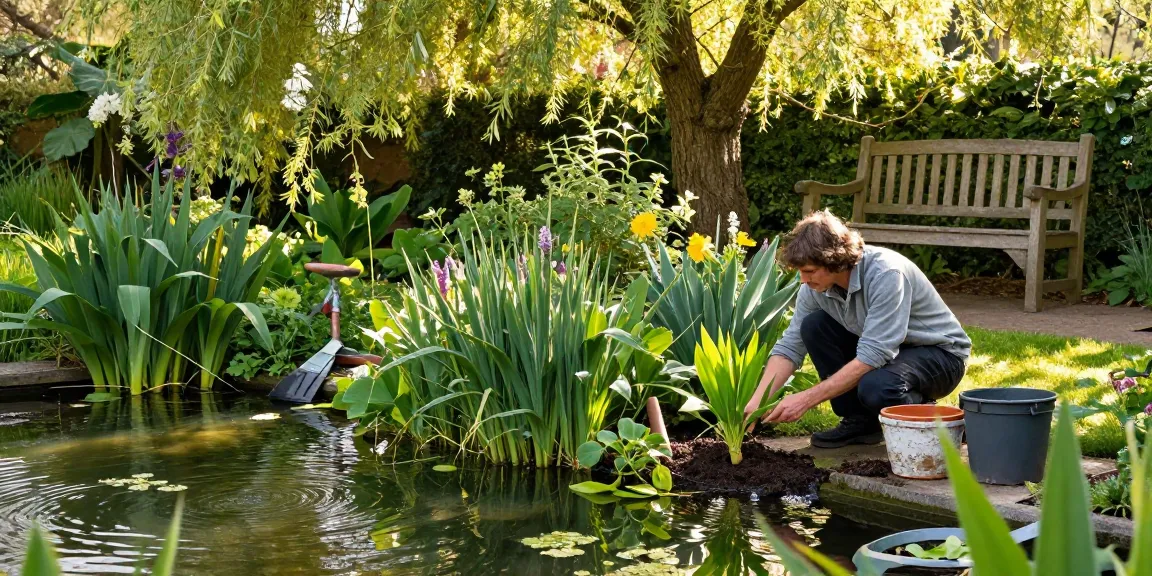
Introduction to British Pond Plants
Creating a serene pond ecosystem is an art that marries aesthetics with the vital role of biodiversity. British pond plants, native vegetation that thrives in the wet, watery environments of the UK, are essential to establishing a healthy pond. These plants not only beautify your outdoor space but also support local wildlife and improve water quality. From stunning lilies floating gracefully to vibrant reeds lining the edges, the variety of British pond plants offers a wealth of options for gardeners and nature enthusiasts alike. When exploring options, British Pond Plants can provide comprehensive insights into species selection and care.
What Are British Pond Plants?
British pond plants are a collection of species that are naturally found in wetlands, ponds, and aquatic environments throughout the UK. They range from submerged plants, emergent vegetation, to floating species, all playing unique roles in the ecosystem. Submerged plants, such as hornwort and eelgrass, help oxygenate the water and provide habitats for aquatic organisms. Emergent plants, like bulrush and marsh marigold, grow above the waterline and offer shelter and breeding grounds for wildlife. Floating plants, including water lilies, not only add visual appeal but also provide shade, reducing algae growth.
Importance of Biodiversity in Ponds
Biodiversity is key to a thriving pond ecosystem. A diverse range of pond plants encourages a balanced environment where various species can coexist. These plants filter pollutants, stabilize the pond’s substrate, and provide food and habitat for insects, amphibians, birds, and fish. By promoting biodiversity, gardeners can create resilient ecosystems that are better equipped to withstand environmental changes and stresses.
Common Types of British Pond Plants
Several species of British pond plants are particularly popular due to their adaptability and ecological benefits:
- Water Lilies (Nymphaea spp.) – Known for their beautiful blooms and floating leaves, these plants provide essential shade and habitat.
- Hornwort (Ceratophyllum demersum) – A submerged plant that grows rapidly and is excellent for oxygenating the water.
- Marsh Marigold (Caltha palustris) – This emergent plant blooms in early spring and attracts pollinators.
- Common Reed (Phragmites australis) – A tall, grasses-like plant that stabilizes shorelines and supports wildlife.
- Water Mint (Mentha aquatica) – Adds a refreshing scent and provides cover for aquatic organisms.
Choosing the Right Plants for Your Pond
Factors to Consider Before Planting
Choosing the right plants for your pond involves considering various factors such as water depth, sunlight exposure, and local wildlife. Assessing the existing environment is crucial; some plants thrive in full sun, while others prefer shady spots. Additionally, the depth of your pond will determine whether you opt for submerged, emergent, or floating plants. Understanding your pond’s ecosystem is vital for ensuring that the plants you select will flourish and contribute positively to the habitat.
Best British Pond Plants for Different Conditions
Different pond conditions require different plant selections. Here are some recommendations:
- Shady Ponds: Consider planting Water Forget-Me-Not (Myosotis scorpioides) and Marsh Marigold for vibrant colors and texture.
- Sunny Ponds: Water Lilies (Nymphaea spp.) and Common Reed can withstand full sun while thriving and providing ecological benefits.
- Deep Ponds: Hornwort is ideal for deeper areas where light penetrates less.
- Shallow Edges: Use Yellow Flag Iris (Iris pseudacorus) and Pickerel Weed (Pontederia cordata) to beautify the margins.
How to Balance Aesthetics and Functionality
When planning your pond plant layout, it’s essential to focus on both beauty and ecological function. Combining plants of varying heights and textures enhances visual interest while fulfilling different roles within the ecosystem. For instance, taller plants like reeds can provide privacy and sound barriers, while lower-growing plants can prevent soil erosion and filter runoff from entering the water.
Planting Techniques and Care
Step-by-Step Guide to Planting
Planting British pond plants requires careful execution to ensure their healthy establishment.
- Choose the Right Time: The best time to plant is in spring or early autumn when temperatures are moderate.
- Prepare the Site: Remove any weeds or debris from the planting area and excavate if necessary to create suitable conditions.
- Choose Containers: For submerged plants, use baskets filled with aquatic soil. For marginal plants, you can either plant them directly into the pond bottom or use pots.
- Planting: Position the plants in the water where they will receive the right amount of sunlight and depth, gently firming the soil around the roots.
- Watering: Water the plants thoroughly after planting to remove air pockets.
- Mulching: Consider adding a layer of gravel or pebbles around the base for added stability and to enhance aesthetics.
Maintenance Tips for Healthy Growth
Maintaining your pond plants is critical for their growth and the health of the entire ecosystem. Here are some maintenance tips:
- Regularly remove dead or decaying plant matter to prevent buildup that can lead to poor water quality.
- Monitor for pests and disease, acting quickly to manage any issues that arise.
- Prune overgrown plants to promote airflow and sunlight, which is essential for healthy growth.
- Consider seasonal splitting of plants like water lilies to prevent overcrowding.
Common Mistakes to Avoid When Planting
Even seasoned gardeners can make mistakes. Here are a few common ones to avoid:
- Overplanting: Too many plants can lead to competition for resources and hinder growth.
- Ignoring Depth Requirements: Make sure to respect the growing conditions of each species; placing deep-water plants in shallow areas can kill them.
- Neglecting Water Quality: Poor water quality can affect plant health; regular monitoring is essential.
- Planting Non-Native Species: This can disrupt the local ecosystem, as non-native plants may outcompete beneficial native flora.
Enhancing Your Pond Ecosystem
Supporting Wildlife with British Pond Plants
British pond plants play a pivotal role in supporting local wildlife. They provide essential habitats for various organisms, from insects to amphibians and birds. By planting a variety of native species, you create niches where different wildlife can thrive. For example, reeds are favorite sites for nesting birds, while submerged plants offer spawning grounds for fish.
Creating Habitats for Aquatic Life
To enhance aquatic habitats, consider including large rocks, submerged logs, or artificial structures that mimic natural environments. These additions offer shelter for fish and other aquatic life while promoting biodiversity within your pond. When combined with diverse plant life, they create a vibrant and balanced ecosystem.
Integrating Other Elements for a Balanced Ecosystem
Beyond planting, integrating features such as water aerators, fountains, or natural filtration systems can dramatically improve your pond’s health. Oxygenating the water helps to balance the ecosystem, reducing algae growth and promoting the well-being of aquatic plants and animals.
Future of British Pond Gardening
Trends in Planting for 2026 and Beyond
As we look to the future of pond gardening, several trends are emerging. Vertical planting, where plants are grown in layers, is becoming increasingly popular as it maximizes space and enhances aesthetics. Additionally, the use of technology for monitoring water quality and plant health is on the rise, enabling gardeners to create more sustainable and balanced ecosystems.
Adapting to Climate Change Challenges
Climate change is altering precipitation patterns and temperatures, affecting aquatic ecosystems. British pond gardeners are adapting by selecting more drought-resistant species and incorporating practices that enhance water retention. Understanding these shifts is vital for maintaining healthy pond ecosystems.
Innovative Practices for Sustainable Gardening
Sustainable gardening practices are becoming mainstream in the realm of pond care. These include organic maintenance methods, rainwater harvesting to reduce water use, and implementing native plants that require less maintenance and support local ecology. By embracing these practices, pond gardeners can create thriving, low-impact environments that sustain both plants and wildlife.
What are the most popular British pond plants?
Some of the most popular British pond plants include Water Lilies, Marsh Marigold, and Common Reed. Each of these species not only adds aesthetic value but also plays an important role in maintaining the ecological balance of the pond.
How can I create a wildlife-friendly pond?
To create a wildlife-friendly pond, incorporate native plants, provide a variety of habitats such as rocks and logs, and avoid chemical treatments. This environment will attract various species, from frogs to dragonflies.
What maintenance is required for pond plants?
Regular maintenance includes removing dead plant material, checking for pests, and ensuring plants are well-pruned and thriving. Monitoring water quality is also crucial for the health of your pond ecosystem.
How do I prevent algae growth in my pond?
Preventing algae growth can be achieved by managing nutrients in the water, planting plenty of submerged and floating plants to provide shade, and ensuring proper aeration of the pond.
What are the benefits of using native plants in ponds?
Using native plants in ponds promotes biodiversity, ensures better adaptability to local conditions, and minimizes maintenance requirements, making them an essential choice for achieving a sustainable pond ecosystem.