
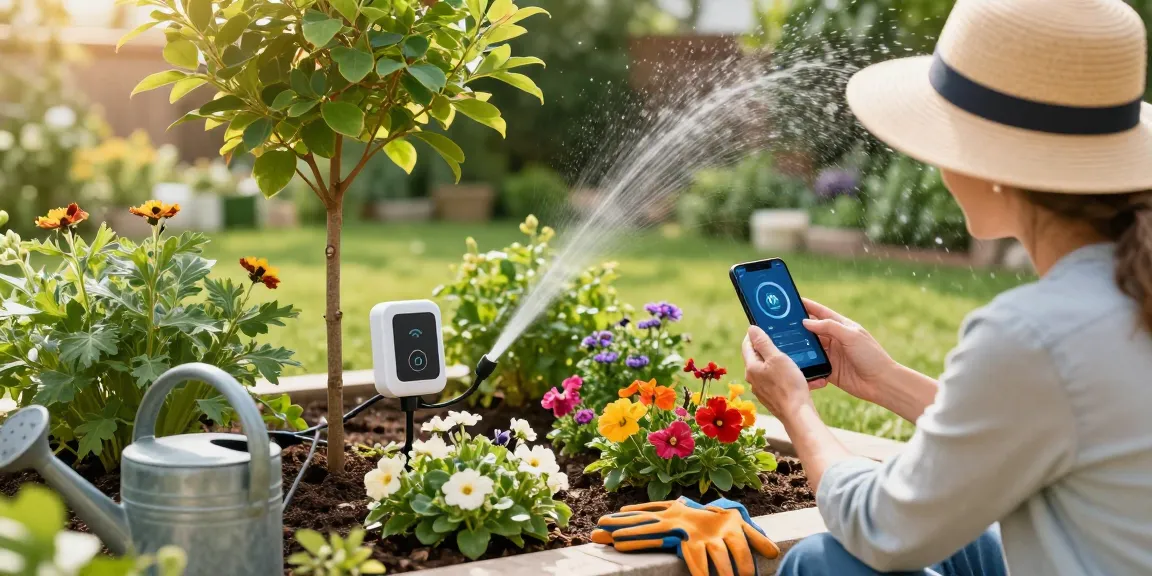
Understanding Wifi Sprinkler Controllers
In the age of smart technology, garden care is evolving, making it easier than ever to maintain lush landscapes and vibrant gardens. One revolutionary tool transforming the gardening experience is the wifi sprinkler controller. These devices not only automate watering schedules but also optimize water usage, resulting in healthier plants and a more sustainable garden. With a variety of features that cater to both novice gardeners and seasoned horticulturists, wifi sprinkler controllers are becoming an essential part of modern gardening.
What is a Wifi Sprinkler Controller?
A wifi sprinkler controller is a smart irrigation system that connects to your home Wi-Fi network, allowing for remote management of watering schedules through a smartphone app. Unlike traditional timers, which require manual adjustments, these advanced controllers provide real-time data and can be programmed to respond to current weather conditions. By utilizing features such as moisture sensors and zone management, wifi sprinkler controllers ensure that your plants receive the right amount of water, no matter the climate or season.
Benefits of Using Wifi Sprinkler Controllers
- Automated Scheduling: Set specific watering times and durations without the hassle of manual monitoring.
- Water Efficiency: Minimize waste by adjusting irrigation schedules based on real-time weather conditions and soil moisture levels.
- Remote Access: Manage your garden’s watering needs from anywhere in the world through a smartphone app.
- Data Insights: Gain valuable information regarding water consumption and plant health, allowing for informed gardening decisions.
- Convenience: Free yourself from the daily chore of watering, making garden maintenance more manageable.
How They Save Water and Time
One of the most significant advantages of wifi sprinkler controllers is their ability to conserve water. By utilizing weather data and soil moisture readings, these devices can prevent over-watering, which is a common problem with manual systems. This efficiency not only benefits the environment but also saves you money on your water bill. Moreover, the time saved from not having to manually engage in watering tasks allows gardeners to focus on other aspects of plant care, such as pruning or fertilization.
Setting Up Your Wifi Sprinkler Controller
Getting started with a wifi sprinkler controller is straightforward and typically requires only a few essential pieces of equipment. Most models include the controller unit, necessary hardware for installation, and a user manual.
Essential Equipment You Will Need
- Wifi sprinkler controller unit
- Smartphone or tablet to download the app
- Garden hose or drip irrigation system
- Soil moisture sensors (if not included with the controller)
- Tools for installation (like screwdrivers or a wrench)
Step-by-Step Installation Guide
- Choose a Location: Identify an appropriate spot for your controller, ideally close to a power source and near your watering area.
- Mount the Controller: Use the provided hardware to securely attach the controller to a wall or post.
- Connect Watering System: Attach hoses or drip lines directly to the controller according to the manufacturer’s instructions.
- Power It Up: Plug in your controller to an outlet, ensuring it is powered before proceeding.
Connecting to Your Smartphone and Wi-Fi Network
The final stage of installation involves syncing your device with your smartphone. Download the corresponding app, create an account, and follow the prompts to connect to your Wi-Fi network. Most apps will guide you through the setup, including adding zones, scheduling watering times, and incorporating moisture sensors.
Features of Modern Wifi Sprinkler Controllers
Moisture Sensors: Enhancing Water Efficiency
Modern wifi sprinkler controllers often come equipped with advanced moisture sensors. These devices accurately assess the moisture levels in the soil, informing the controller when to activate the irrigation system. By ensuring that your plants receive the right amount of water, these sensors can significantly reduce water wastage and promote healthier growth.
Remote Control and Automation Options
One of the standout features of wifi sprinkler controllers is remote access. Gardeners can control their irrigation systems from anywhere, making it easy to adjust schedules while on vacation or during unexpected weather changes. Many controllers also offer automation settings that can modify watering based on real-time forecast data, ensuring that gardens are watered only when needed.
Customization: Scheduling and Zone Management
Wifi sprinkler controllers allow for significant customization. Users can create multiple watering schedules tailored to different areas of their garden. For instance, vegetable gardens may require more frequent watering than ornamental plants, and this flexibility is essential for optimal plant health.
Comparing Wifi Sprinkler Controllers with Traditional Methods
Water Conservation: A Key Advantage
Water conservation is perhaps the most compelling reason to switch from traditional watering systems to wifi-enabled controllers. These devices can adjust watering based on factors such as rainfall and humidity, which manual systems cannot account for. This not only preserves valuable water resources but also ensures that plants grow in the best possible conditions.
Ease of Use and Convenience
Wifi sprinkler controllers are designed with user-friendliness in mind. Many models feature intuitive app interfaces that allow users to manage their gardens efficiently. The ease of automation means that gardeners no longer need to remember to turn on and off the watering system, which can be a significant time saver.
Cost-Benefit Analysis for Homeowners
While the initial investment in a wifi sprinkler controller may be higher than traditional systems, the long-term savings in water bills and improved plant health often outweigh the costs. Over time, homeowners can save significantly on both water and maintenance, making wifi controllers a wise investment in sustainable gardening.
Future-Proofing Your Garden with Technology
Emerging Trends in Smart Gardening
As technology continues to advance, smart gardening solutions are becoming increasingly popular. Innovations such as automated garden management systems, integration with smart home devices, and AI-driven applications are paving the way for a more efficient gardening experience. These trends highlight the importance of adapting to new technologies to maintain a healthy and thriving garden.
Preparing for Changes in Climate and Water Availability
Climate change poses significant challenges for gardeners, including unpredictable weather patterns and potential water shortages. Implementing smart irrigation solutions like wifi sprinkler controllers allows gardeners to adapt more readily to these changes, making it easier to manage water use effectively and sustainably.
Integrating Smart Technology for Maximum Efficiency
By integrating wifi sprinkler controllers with other smart home devices, such as weather stations or smart thermostats, gardeners can create a fully automated irrigation system that maximizes efficiency. This interconnected approach not only enhances convenience but also leads to better water management practices.
What are the benefits of a wifi sprinkler controller?
The primary benefits of a wifi sprinkler controller include automated watering schedules, real-time monitoring of soil moisture, and the ability to adjust watering based on weather conditions. All these features lead to healthier plants and reduced water usage.
How do I install a wifi sprinkler controller?
Installation typically involves mounting the controller, connecting your watering system, and syncing the device to your Wi-Fi network through a smartphone app. Most models come with detailed instructions to assist with the setup process.
Can wifi sprinkler controllers save me money?
Yes, by optimizing water usage and reducing waste, wifi sprinkler controllers can lead to lower water bills over time. Their automated nature also reduces the time and effort required for manual watering, further translating into cost savings.
What features should I look for in a wifi sprinkler controller?
When evaluating wifi sprinkler controllers, consider features such as moisture sensors, remote access capabilities, flexibility in scheduling, user-friendly app interfaces, and compatibility with other smart home devices.
Are there any drawbacks to using a wifi sprinkler controller?
While the benefits are numerous, some drawbacks may include reliance on a stable Wi-Fi connection and the need for an initial investment. Additionally, not all models offer the same level of advanced features, so it’s essential to research options thoroughly.